

What is Recovery Like After Duodenal Switch Surgery?

Learn about Duodenal Switch surgery recovery, dietary changes, activity levels, and lifelong support.
Can Duodenal Switch Be Reversed? And Other Frequently Asked Questions.

The Duodenal Switch is a powerful bariatric surgery that offers dramatic weight loss through stomach reduction and intestinal rerouting. While highly effective, patients often ask—can it be reversed? The answer lies in understanding its dual nature: the restrictive part is permanent, but the malabsorptive component may be partially reversible in rare, medically necessary cases. This guide explores what reversal involves, when it’s considered, and key FAQs to help you make an informed decision.
How Much Weight Can You Lose with a Duodenal Switch?

The Duodenal Switch is one of the most effective weight loss surgeries, helping patients lose 70–85% of their excess weight. Combining stomach reduction with intestinal bypass, it offers powerful, long-term results—especially for individuals with severe obesity or obesity-related conditions.
Dumping Syndrome After Duodenal Switch Surgery
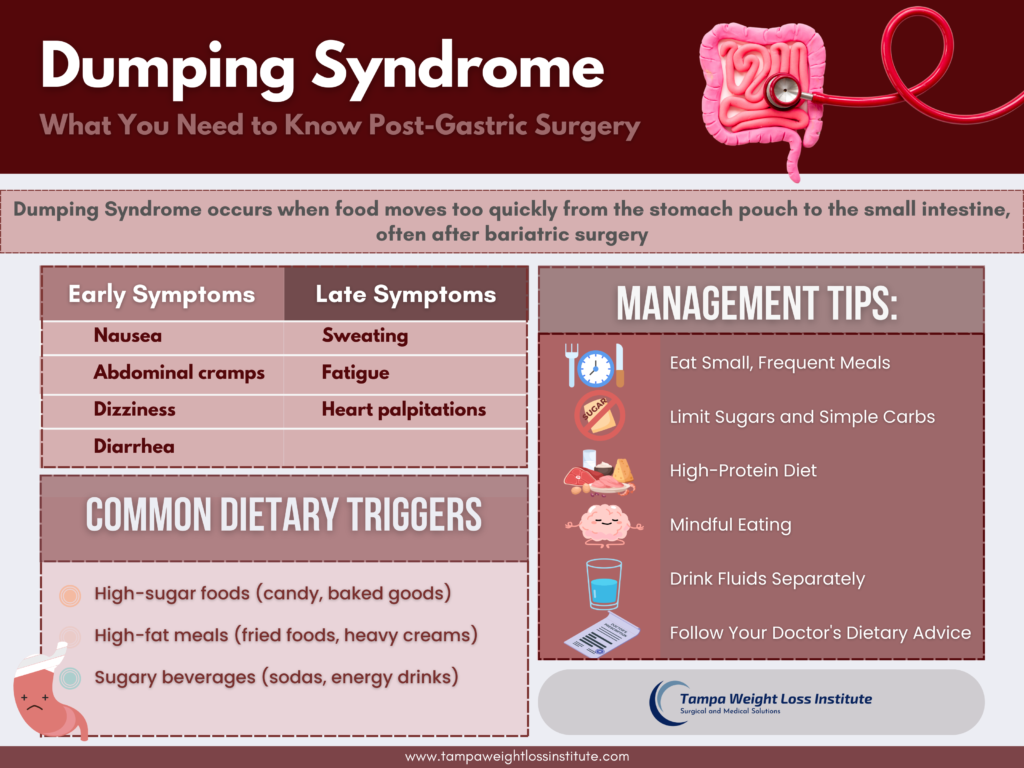
Dumping syndrome can occur after duodenal switch surgery when food moves too quickly into the small intestine, causing symptoms like nausea, dizziness, and fatigue. While less common than with gastric bypass, it can still impact some patients.
At Tampa Weight Loss Institute, Dr. Amit Taggar and his team provide personalized care, nutritional guidance, and expert follow-up to help manage and prevent symptoms.
Need support? Schedule a consultation today to take control of your health!
Laparoscopic Duodenal Switch

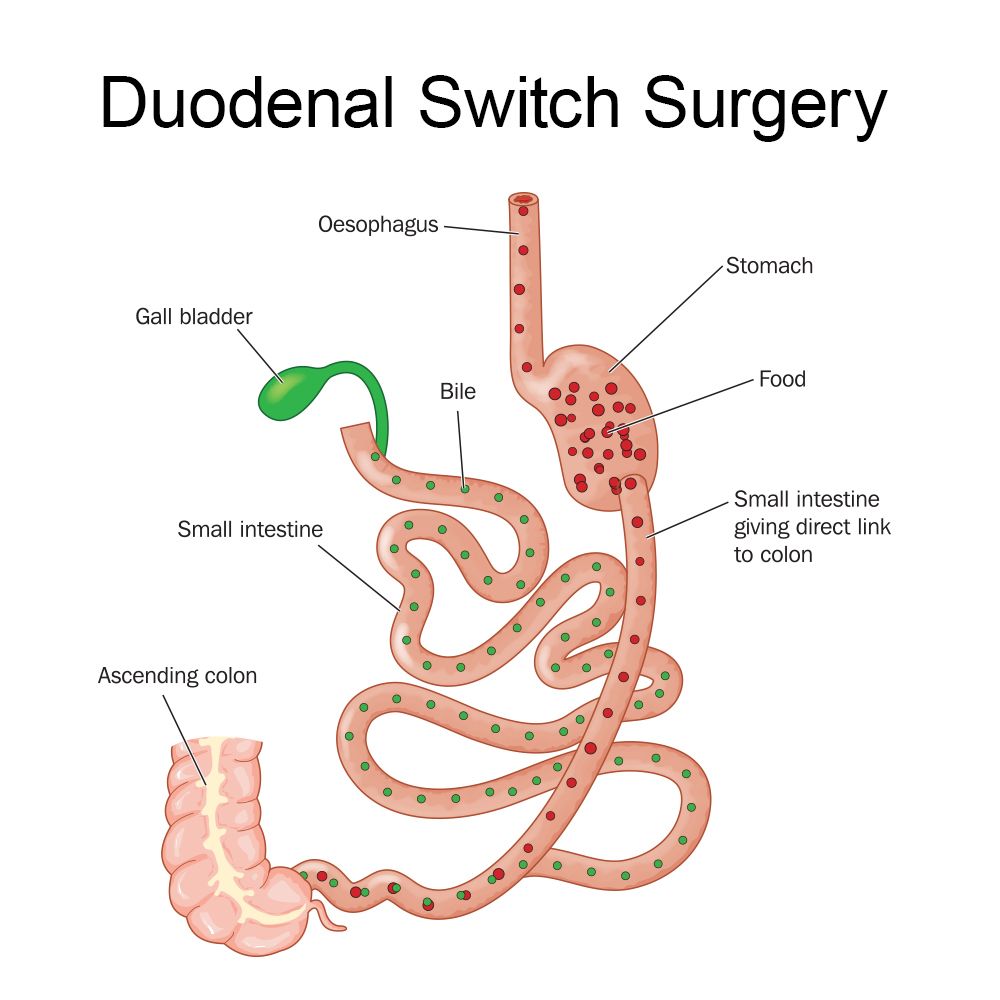
Laparoscopic duodenal switch is a powerful bariatric surgery that combines sleeve gastrectomy and intestinal bypass to support significant, long-term weight loss and metabolic improvement for patients with severe obesity.
Pros and Cons of Duodenal Switch
Learn the pros and cons of the Duodenal Switch bariatric surgery, including weight loss results, health benefits, risks, and long-term considerations.
Knowing the Difference: SADI vs. Duodenal Switch
Confused between SADI and DS? Discover the pros, risks, results, and recovery differences to make the best choice for your goals.
Duodenal Switch and Pregnancy: Everything You Need to Know

Pregnancy after duodenal switch can be safe with the right timing, labs, and supplements. Tampa Weight Loss Institute shares key nutrition and prenatal care tips.
Roux-en-Y Gastric Bypass (RNYGB) vs. Duodenal Switch (DS): A Comparison
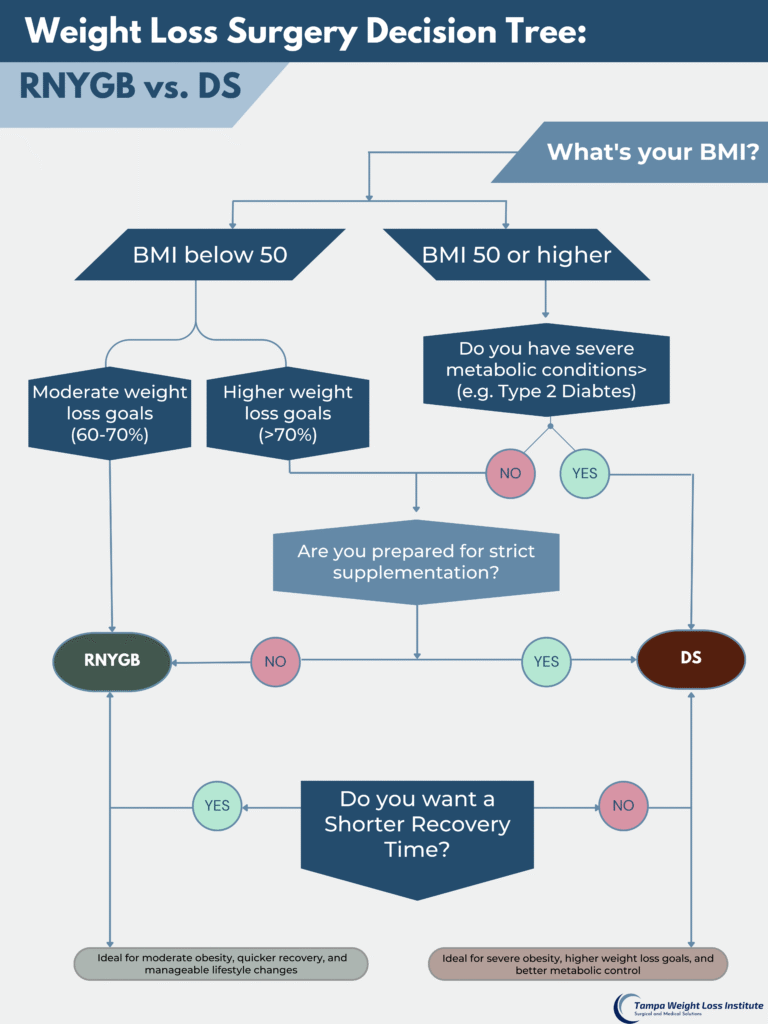
RNYGB offers balanced weight loss with quicker recovery; DS delivers greater results for severe obesity but needs stricter care. Dr. Taggar helps you choose wisely.
A Guide to Some Side Effects of Duodenal Switch and How You Can Manage Them
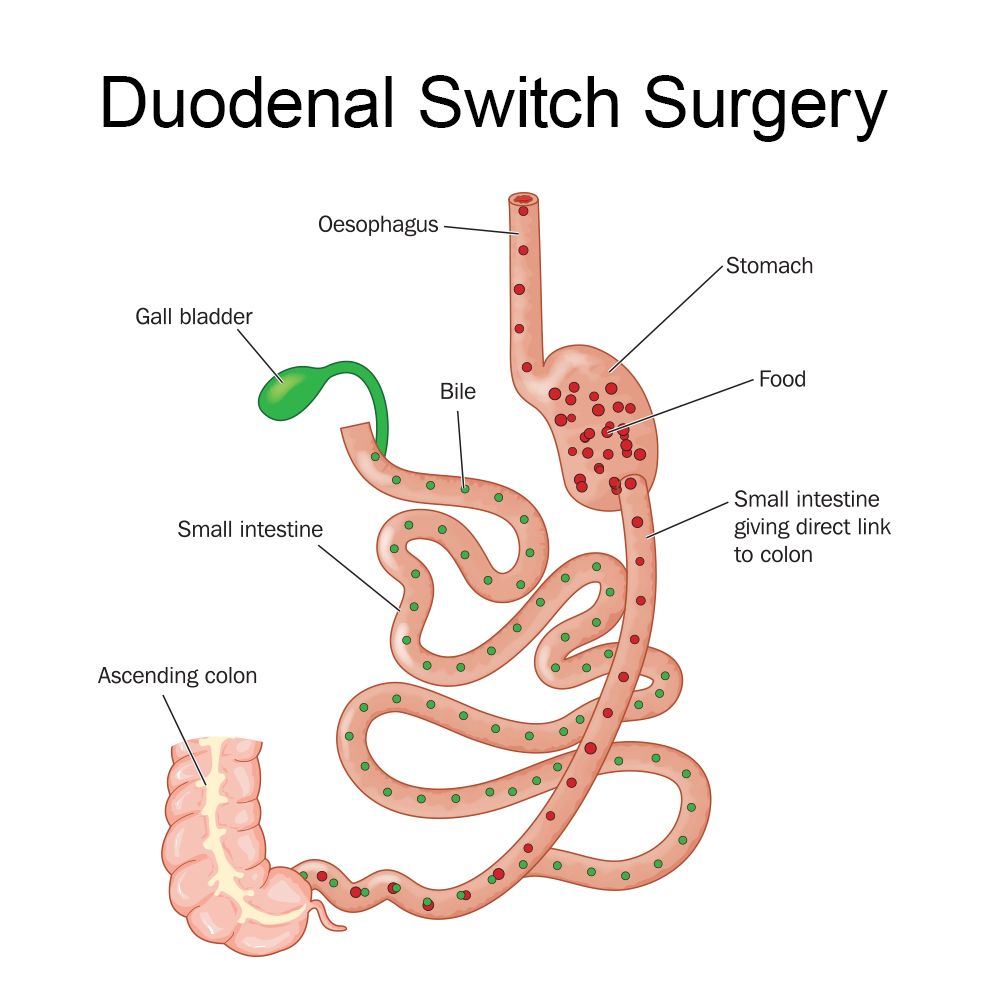
Learn common duodenal switch side effects and how to manage them with expert, long-term support from Dr. Amit Taggar and Tampa Weight Loss Institute.