Bariatric surgery is a powerful tool for weight loss and improving obesity-related health conditions. Among the various procedures, the duodenal switch (DS) is known for its high success rate in achieving significant, long-term weight loss. However, like any surgery, it comes with potential side effects.
One such effect is dumping syndrome, a condition that can occur when food moves too quickly from the stomach to the small intestine. At the Tampa Weight Loss Institute, under the expert guidance of Dr. Amit Taggar, patients are supported every step of the way to minimize risks and manage side effects effectively.
What Is Dumping Syndrome?
Dumping syndrome is a condition that occurs in two phases:
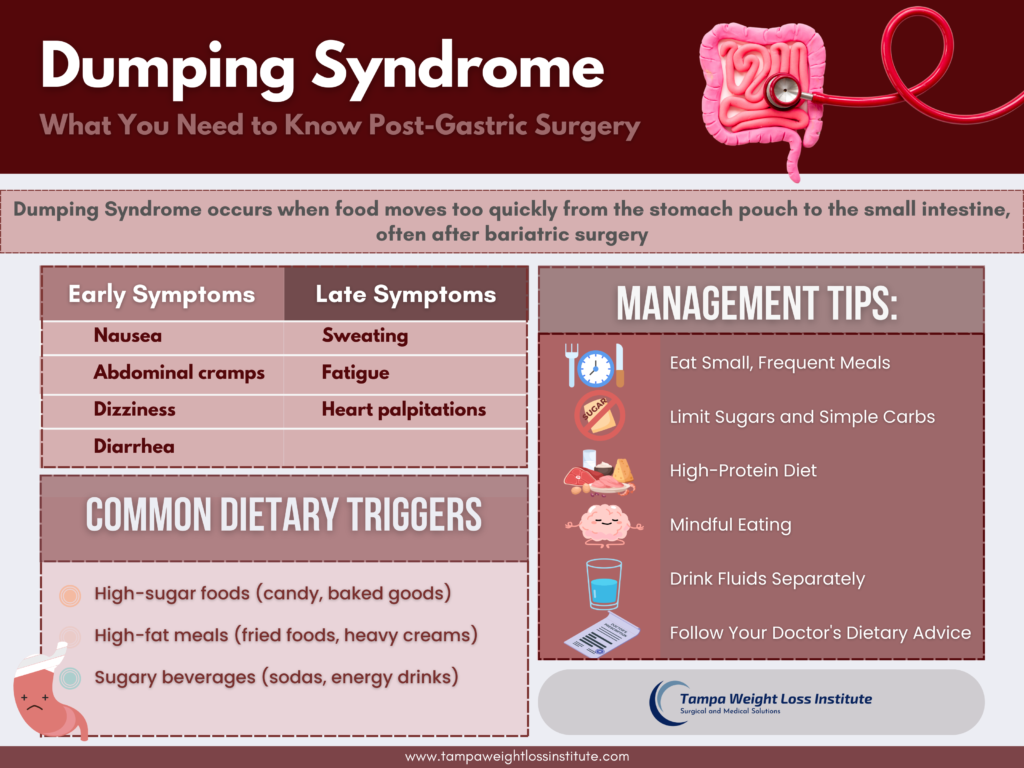
Early Dumping Syndrome(occurs within 10-30 minutes after eating): This is caused by rapid entry of food into the small intestine, leading to a sudden shift of fluid into the intestine. Common symptoms include:
Nausea
Abdominal cramping
Diarrhea
Dizziness or lightheadedness
Rapid heartbea
Late Dumping Syndrome(occurs 1-3 hours after eating): This happens when blood sugar levels drop significantly after a meal. Symptoms include:
Weakness or fatigue
Shakiness
Sweating
Confusion
How Does Dumping Syndrome Relate to the Duodenal Switch?
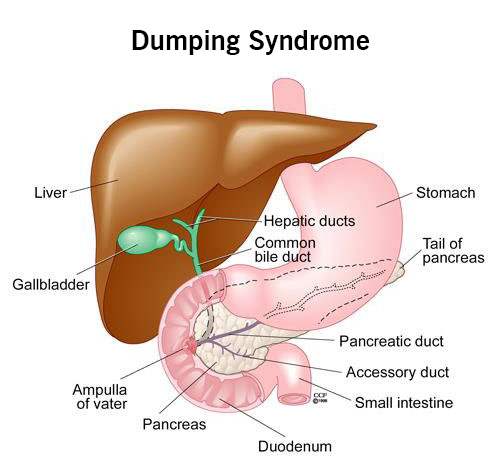
The duodenal switch combines two mechanisms: reducing stomach size and rerouting the small intestine to promote malabsorption. These changes can accelerate the digestion process, increasing the risk of dumping syndrome. While this is less common with DS compared to procedures like Roux-en-Y gastric bypass, it still occurs in some patients due to the modified digestive anatomy.
Why Does Dumping Syndrome Happen?
Dumping syndrome typically arises from:
High-sugar foods: Sugary or high-carbohydrate meals rapidly pull water into the small intestine.
Fatty or greasy foods: These can overstimulate the digestive system.
Large meals: Overloading the stomach can overwhelm the altered digestive system.
How Common Is Dumping Syndrome After Duodenal Switch?
Studies show that dumping syndrome is less frequent after DS compared to other bariatric surgeries. For example, one review published in Obesity Surgery notes that dumping syndrome is a common complication of surgeries involving gastric bypass, with prevalence rates generally ranging between 20-30%, while it is less frequent in duodenal switch patients. Though, exact prevalence rates can vary depending on the study and patient populations. But when it does occur, it can significantly impact a patient’s quality of life.
Managing and Preventing Dumping Syndrome
The good news is that dumping syndrome can often be managed with lifestyle changes and dietary adjustments. At the Tampa Weight Loss Institute, Dr. Amit Taggar and his team work closely with patients to develop personalized plans to minimize this side effect. Here are some key strategies:
1
Follow a Low-Sugar Diet
Avoid foods high in refined sugars, such as candies, desserts, and sugary beverages. Opt for complex carbohydrates like whole grains, which digest more slowly.
2
Eat Smaller, More Frequent Meals
Instead of three large meals, eat 5-6 smaller meals throughout the day. This helps regulate digestion and prevents the stomach from becoming overwhelmed.
3
Focus on Protein and Fiber
Protein-rich foods (lean meats, eggs, and tofu) and fiber-rich options (vegetables, legumes) slow digestion, reducing the risk of dumping syndrome.
4
Avoid Drinking Fluids During Meals
Separate liquids and solids by at least 30 minutes to prevent overloading the stomach. Drinking fluids with meals can worsen symptoms by speeding up the movement of food.
5
Gradually Reintroduce Foods
After surgery, patients are typically guided through a staged diet (liquids to soft foods to solids). Following this plan carefully can help prevent dumping syndrome.
Long-Term Outlook
With time, many patients find that their symptoms of dumping syndrome improve as their bodies adapt to the changes from surgery.
However, continued follow-up care is essential. Dr. Taggar emphasizes regular check-ins to monitor nutritional health and address any side effects, ensuring optimal long-term outcomes.
Why Choose Tampa Weight Loss Institute?
At the Tampa Weight Loss Institute, our focus is on providing comprehensive, patient-centered care. Dr. Amit Taggar’s expertise in advanced bariatric surgery ensures that patients receive the highest standard of care before, during, and after their procedure. With personalized nutritional guidance and ongoing support, we help patients navigate challenges like dumping syndrome while achieving their weight loss and health goals.
If you’re considering duodenal switch surgery or need help managing post-surgical symptoms, Tampa Weight Loss Institute is here to guide you. Our compassionate team, led by Dr. Amit Taggar, is dedicated to empowering patients with the tools and knowledge they need.
Schedule your FREE CONSULTATION today with Dr. Amit Taggar. Let us help you take control of your health and transform your life.
The information provided on this website is for educational and informational purposes only and is not intended as medical advice. Always consult with a qualified healthcare provider regarding any medical concerns, conditions, or treatment options. Individual results may vary. The services described are not intended to diagnose, treat, cure, or prevent any disease. Any medical procedure should be discussed thoroughly with a licensed professional before beginning treatment.
Dr. Amit Taggar is a board-certified, fellowship-trained bariatric surgeon and the founder of Tampa Weight Loss Institute. Recognized globally for his expertise in robotic weight loss surgery, Dr. Taggar specializes in Roux-en-Y gastric bypass, vertical sleeve gastrectomy, duodenal switch, and complex bariatric revisions. He has trained surgeons from around the world and performed live surgical demonstrations at major international conferences.
Committed to empowering patients on their weight loss journey, Dr. Taggar emphasizes a comprehensive approach to long-term success, integrating advanced surgical techniques with personalized aftercare. At Tampa Weight Loss Institute, he leads a team dedicated to transforming lives through compassionate, patient-centered care.