How Much Weight Can You Lose with a Duodenal Switch?
The Duodenal Switch (DS), also known as Biliopancreatic Diversion with Duodenal Switch (BPD/DS), is one of the most effective bariatric procedures for achieving significant and sustained weight loss. Combining both restriction and malabsorption techniques, it offers life-changing results, particularly for those with severe obesity. If you’re considering this procedure, here’s what to know about how much weight you can expect to lose.
What is a Duodenal Switch?
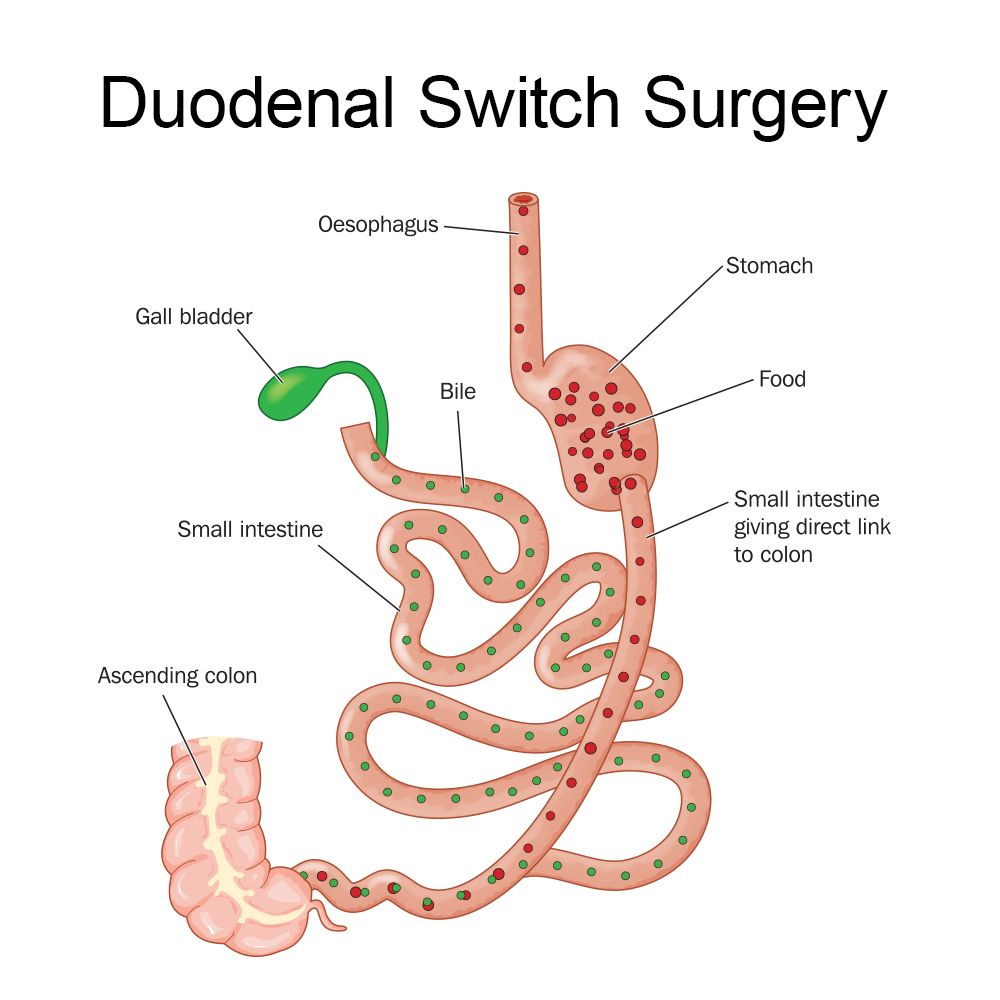
The Duodenal Switch is a bariatric surgery designed to provide comprehensive weight loss by reducing the stomach’s size and rerouting the intestines. This dual approach limits food intake and decreases calorie and nutrient absorption. It’s especially effective for individuals with a high Body Mass Index (BMI) and obesity-related conditions such as diabetes or hypertension.
Weight Loss Results: What to Expect
One of the most compelling aspects of the Duodenal Switch is how well it helps patients lose weight and keep it off.
Percentage of Excess Weight Loss (EWL): Patients typically lose 70-85% of their excess body weight within 18-24 months post-surgery. For example, if a person is 200 pounds over their ideal weight, they could lose between 140 and 170 pounds after the procedure.
Long-Term Sustainability: Long-term studies show that most duodenal switch patients keep off a large share of their excess weight for many years, and the DS compares well with other procedures over time.
Comparative Results: The DS is considered more effective than alternatives like Gastric Bypass and Sleeve Gastrectomy, particularly for individuals with a BMI over 50.
What "Excess Weight Loss" Really Means
Weight-loss surgery results are often shared as a percent of excess weight lost. Excess weight is the difference between your current weight and a healthy weight for your height. It is not the same as your total body weight.
Here is a simple example. If you weigh 300 pounds and a healthy weight for your height is about 160 pounds, your excess weight is about 140 pounds. Losing 70% of that excess would mean losing close to 100 pounds, bringing you to roughly 200 pounds.
This helps you set realistic goals. Many patients reach a much healthier weight without reaching the “ideal” number on a chart, and the health gains can be large either way. Your surgeon can help you understand what a realistic range looks like for you, based on your starting weight and health.
Your Duodenal Switch Weight Loss Timeline
Weight loss after a duodenal switch does not happen at an even pace. Most people see a pattern like this:
The first weeks: Weight often drops quickly while you are on liquid and pureed foods and your body is healing.
The first months: Weight loss is usually fastest in this stage. Many people notice changes in energy, blood sugar and blood pressure early on.
Six months to two years: Weight loss continues but slows down. Short plateaus, when the scale stops moving for a few weeks, are normal and usually pass.
After about two years: Weight tends to level off. The focus shifts to keeping it off with good habits and regular follow-up.
Your own timeline depends on your starting weight, your health and how closely you follow your plan. Results vary from person to person.
When Reversal May Be Considered
While reversal of the malabsorptive component is rare, it may be considered in cases of severe complications:
Persistent Malnutrition: If patients experience chronic malnutrition despite adhering to dietary guidelines and supplementation, reversal may be necessary to restore nutrient absorption.
Severe Health Risks: Conditions like extreme vitamin deficiencies, recurrent infections, or life-threatening complications related to the surgery may prompt a surgeon to recommend reversal.
Psychological or Lifestyle Challenges: Some patients may find it challenging to maintain the lifestyle changes required post-surgery, potentially leading to complications that necessitate intervention.
How the Duodenal Switch Promotes Weight Loss
1
Restriction:
A portion of the stomach is removed, leaving a small tube-like structure. This limits the amount of food you can eat, promoting a feeling of fullness sooner.
2
Malabsorption:
A large part of the small intestine is bypassed, reducing calorie and nutrient absorption. This dual mechanism usually leads to faster and more sustained weight loss compared to procedures relying solely on restriction.
3
Hormonal Changes:
The reduction in the stomach size decreases ghrelin (the hunger hormone) production, helping to control appetite and cravings.
Benefits of Weight Loss with the Duodenal Switch
Type 2 Diabetes Remission: Most patients with type 2 diabetes see a major improvement, and many go into remission after surgery.
Improved Quality of Life: Reduced weight leads to better mobility, increased energy levels, and enhanced mental well-being.
Long-Term Health Gains: Sustained weight loss lowers the risk of cardiovascular diseases, sleep apnea, and joint pain.
Factors Affecting Weight Loss Success
While the Duodenal Switch has a high success rate, individual outcomes depend on several factors:
Starting BMI: Higher BMIs often see more dramatic initial weight loss. Check your BMI to see if you qualify.
Commitment to Lifestyle Changes: A balanced diet and regular physical activity are essential for maintaining weight loss.
Follow-Up Care: Regular monitoring and nutritional supplementation help avoid deficiencies and ensure long-term success.
Why Weight Loss Can Stall or Return
It is normal for weight loss to slow down. If it stops much earlier than expected, or weight starts coming back, common causes include:
Grazing or snacking through the day instead of eating set meals
Drinking calories, such as soda, juice, alcohol or sweet coffee drinks
Too little protein, which can lead to muscle loss
Less activity as life gets busy
Missed follow-up visits, which make it harder to catch problems early
Some regain years after surgery can happen with any procedure. The sooner you reach out to your care team, the easier it usually is to get back on track. If regain becomes significant, your surgeon may talk with you about options such as weight-loss medications or, in some cases, revision surgery.
Lifestyle After a Duodenal Switch
Dietary Adjustments: Post-surgery, patients begin with a liquid diet, gradually progressing to pureed, soft, and solid foods. A high-protein, low-fat diet is critical for maintaining muscle mass and energy.
Nutritional Supplements: Due to the malabsorptive nature of the procedure, lifelong supplementation of vitamins and minerals such as vitamin D, calcium, and vitamin B12 is necessary.
Regular Check-Ups: Continuous monitoring by healthcare providers ensures sustained weight loss and addresses potential complications.
Potential Risks and Considerations
While the Duodenal Switch offers significant benefits, it is a more complex surgery and comes with some risks:
Nutritional Deficiencies: Patients are at a higher risk for deficiencies in vitamins A, D, E, K, and calcium.
Surgical Complexity: The procedure requires a highly skilled surgeon, as it involves multiple steps and longer recovery times.
How the Duodenal Switch Compares to Other Surgeries
If you are comparing options, it helps to see where the duodenal switch fits:
Vertical sleeve gastrectomy: A simpler operation that works mainly by making the stomach smaller. Weight loss is usually less than with a DS, and the risk of nutrient problems is lower.
Roux-en-Y gastric bypass: A well-studied operation with strong weight loss, often favored for people with acid reflux. Weight loss is usually somewhat less than with a DS.
Duodenal switch and SADI: Usually the most weight loss, with the greatest need for lifelong supplements and blood tests. Read our comparison of SADI vs. duodenal switch.
When does weight loss stop after a duodenal switch?
Most people keep losing weight for about 18 to 24 months, with the fastest loss in the first several months. After that, weight usually levels off. Small changes can still happen as your habits and activity change.
How much weight will I lose in the first month?
It varies a lot from person to person. Early loss is often quick because you are eating very little while you heal, and some of it is water weight. Try not to compare your scale with anyone else’s, and focus on steady progress.
Is a weight-loss plateau normal after a duodenal switch?
Yes. Plateaus of a few weeks are common as your body adjusts. Keep following your eating plan, check your protein and fluid intake, and stay active. If a plateau lasts a long time, talk with your care team.
Will I lose more weight with a duodenal switch than with a sleeve?
In general, yes. The duodenal switch usually leads to more weight loss than a sleeve gastrectomy because it also changes how your intestine absorbs calories. It also comes with more nutrition follow-up.
Do I need to exercise to lose weight after a duodenal switch?
Surgery does much of the early work, but exercise helps you keep muscle, feel stronger and keep weight off over time. Start with walking, and add strength training once your surgeon says it is safe.
Is the Duodenal Switch Right for You?
The Duodenal Switch is a transformative option for individuals seeking substantial weight loss and long-term health benefits. With an average weight loss of 70-85% of excess body weight, it can make a major difference for people with severe obesity. However, it requires a commitment to lifestyle changes, including a tailored diet, lifelong supplementation, and regular follow-up care.
If you’re ready to take control of your health and weight, schedule your FREE consultation today with Dr. Amit Taggar to determine if the Duodenal Switch is the right solution for you. With proper guidance and dedication, this procedure can help you achieve a healthier, happier future.
Dr. Amit Taggar is a board-certified, fellowship-trained bariatric surgeon and the founder of Tampa Weight Loss Institute. Recognized globally for his expertise in robotic weight loss surgery, Dr. Taggar specializes in Roux-en-Y gastric bypass, vertical sleeve gastrectomy, duodenal switch, and complex bariatric revisions. He has trained surgeons from around the world and performed live surgical demonstrations at major international conferences.
Committed to empowering patients on their weight loss journey, Dr. Taggar emphasizes a comprehensive approach to long-term success, integrating advanced surgical techniques with personalized aftercare. At Tampa Weight Loss Institute, he leads a team dedicated to transforming lives through compassionate, patient-centered care.