Bariatric surgery has transformed the lives of countless individuals battling severe obesity. These surgical procedures not only aid in significant weight loss but also help manage obesity-related health conditions like diabetes and hypertension. But what is a bariatric procedure, and how does it work? Below is a plain-language guide to the main types of bariatric surgery, how each one works, and how patients and surgeons choose between them.
A bariatric procedure refers to a range of surgical interventions designed to alter the digestive system for weight reduction. Unlike cosmetic slimming procedures such as liposuction, bariatric surgeries target long-term changes by limiting food intake or reducing nutrient absorption. These weight reduction procedures can improve overall health and quality of life.
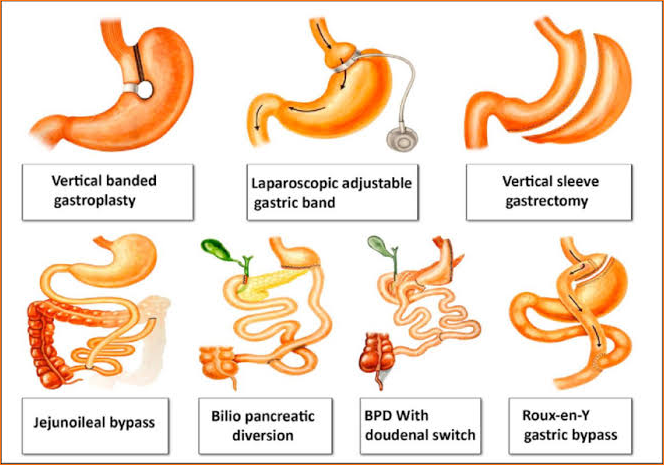
Understanding the different types of bariatric procedures is essential to determining the right fit for each individual. Here’s an overview of the most common types:
All of these operations help you eat less and feel full sooner. They differ in how much of the digestive tract they change, whether they can be undone, and how closely your vitamins need to be watched afterward. Here is a side-by-side view of the procedures most people are choosing between today.
For a closer look at two of the most common choices, see gastric bypass vs gastric sleeve.
The best procedure depends on factors such as Body Mass Index (BMI), existing health conditions, and lifestyle. The most common bariatric procedures, like the gastric bypass and sleeve gastrectomy, are often recommended for their safety and effectiveness.
Choosing the right procedure isn’t just about the type of surgery—it also depends on key eligibility criteria, safety protocols, and long-term success factors outlined in current clinical guidelines for bariatric surgery.
Current ASMBS/IFSO guidelines generally suggest considering surgery at a BMI of 35 or higher, or at a BMI of 30 to 34.9 when you also have a metabolic condition such as type 2 diabetes. You can check your number with our BMI calculator, but your surgeon makes the final call after a full evaluation. These questions usually narrow the choice of procedure quickly:
Read more about the criteria for bariatric surgery.
Post-surgery, patients embark on a new lifestyle journey, commonly referred to as bariatric post-surgery life. This includes:
At Tampa Weight Loss Institute, Dr. Amit Taggar reviews your health history, goals and insurance, then talks through which operation fits you. The procedures and programs we offer include:
Having several options under one roof means the choice can be based on what suits you, not on what a single program happens to offer.
Studies show that bariatric surgeries can lead to a 50-80% reduction in excess body weight within two years. Gastric bypass remains one of the most commonly performed procedures due to its effectiveness in managing obesity-related conditions.
Bariatric surgery is a life-changing decision that requires thorough research and expert consultation. With different types of bariatric procedures available, finding the right fit is essential for achieving lasting weight loss and improved health. Whether it’s a gastric restrictive procedure or a minimally invasive laparoscopic technique, these surgeries pave the way for a healthier future.
For those considering bariatric surgery in Tampa, FL, consult with specialists at Tampa Weight Loss Institute to explore options and understand the safest bariatric procedure for your needs. Request an appointment to talk through your options.
The vertical sleeve gastrectomy is the most commonly performed bariatric surgery in the United States. It is popular because it does not reroute the intestines. Gastric bypass is the next most common and is often preferred for people with reflux.
A sleeve gastrectomy cannot be reversed because part of the stomach is removed. A gastric bypass is technically reversible, but this is rarely done and is a major operation. A gastric band can be removed, which is one reason it was popular in the past.
Most bariatric operations today are done laparoscopically, through several small incisions using a camera and long instruments. This usually means less pain and a quicker recovery than open surgery. Your surgeon will tell you if anything about your history makes a different approach necessary.
Yes. Every type changes how much you eat or absorb, so daily vitamins and regular blood tests are part of life after any procedure. Operations that bypass more of the intestine, like the duodenal switch and SADI, need the closest monitoring.
Often, yes. Revision surgery can convert one procedure to another, for example a sleeve to a gastric bypass or to SADI. Revisions are more complex than first operations, so they are planned carefully around the specific problem.
-Disclaimer-
The information provided on this website is for educational and informational purposes only and is not intended as medical advice. Always consult with a qualified healthcare provider regarding any medical concerns, conditions, or treatment options. Individual results may vary. The services described are not intended to diagnose, treat, cure, or prevent any disease. Any medical procedure should be discussed thoroughly with a licensed professional before beginning treatment.
Dr. Amit Taggar is a board-certified, fellowship-trained bariatric surgeon and the founder of Tampa Weight Loss Institute. Recognized globally for his expertise in robotic weight loss surgery, Dr. Taggar specializes in Roux-en-Y gastric bypass, vertical sleeve gastrectomy, duodenal switch, and complex bariatric revisions. He has trained surgeons from around the world and performed live surgical demonstrations at major international conferences.
Committed to empowering patients on their weight loss journey, Dr. Taggar emphasizes a comprehensive approach to long-term success, integrating advanced surgical techniques with personalized aftercare. At Tampa Weight Loss Institute, he leads a team dedicated to transforming lives through compassionate, patient-centered care.