Recovery, benefits, and success of vertical sleeve gastrectomy
Vertical Sleeve Gastrectomy (VSG) is a transformative bariatric surgery that supports significant, sustainable weight loss. By reducing the stomach’s size, VSG limits food intake and suppresses hunger, making it a powerful tool for weight management. In this blog, we will explore the recovery process, the benefits, and the long-term success stories of VSG.
Recovery from vertical sleeve gastrectomy is generally smooth, thanks to its minimally invasive nature. Here’s a breakdown of the recovery phases:
Hospital Stay: Most patients stay in the hospital for 1–2 days post-surgery. During this time, they are monitored for complications like nausea or dehydration.
Initial Recovery:
Week 1: Rest and hydration are prioritized. Patients begin with clear liquids and gradually transition to a liquid diet.
Weeks 2–4: Soft and pureed foods are introduced as the stomach heals.
4–6 Weeks: Many patients can resume light activities, depending on their comfort level.
Full Recovery: For most, the complete recovery time after vertical sleeve gastrectomy is 6–8 weeks. At this point, patients can resume normal activities and introduce solid foods into their diet.
Vertical Sleeve Gastrectomy Recovery: Getting Back to Daily Life
The diet stages are only part of recovery. Most people also want to know when they can go back to work, drive and exercise. Your surgeon will give you your own plan, but here is what recovery usually looks like.
Walking: You will be asked to walk the same day or the day after surgery. Short, frequent walks help prevent blood clots and ease gas pain.
Work: Many people with desk jobs return within a couple of weeks. Jobs that involve lifting or long hours on your feet usually need more time off.
Driving: Wait until you are off prescription pain medicine and can turn and brake without pain.
Lifting: Avoid heavy lifting and straining for several weeks while the incisions heal. Ask your surgeon when it is safe to lift more.
Exercise: Walking comes first. Most people add light cardio and strength work once their surgeon clears them.
Energy: Feeling tired in the first weeks is normal because you are eating very little. Energy usually improves as you move to soft and then solid foods.
Warning Signs to Call Your Surgeon About
Most people recover from vertical sleeve gastrectomy without serious problems. Still, it helps to know which symptoms need a call right away. Contact your surgical team, or go to the emergency room if it is severe or after hours, if you have:
A fever, chills or a racing heartbeat
Belly pain that gets worse instead of better
Vomiting, or being unable to keep liquids down
Signs of dehydration, such as dark urine, very little urine, or dizziness when you stand
Vertical Sleeve Gastrectomy (VSG) offers profound benefits that extend beyond weight loss. Here’s a closer look at how this procedure can transform lives:
1. Sustained and Significant Weight Loss
Many patients lose roughly 60–70% of their excess weight, with most of it coming off in the first year or two. Results vary from person to person.
This weight loss is often maintained long-term, as VSG promotes healthy eating habits and discourages overeating due to the reduced stomach size.
For many, this weight loss translates into improved mobility, greater energy levels, and enhanced quality of life.
2. Resolution of Obesity-Related Conditions
VSG doesn’t just help with weight loss; it can also alleviate or resolve several chronic health conditions:
Type 2 Diabetes: Many patients see their blood sugar improve, sometimes within weeks of surgery, and some are able to stop or reduce diabetes medication.
Hypertension: Reduced body weight decreases strain on the heart, and blood pressure often improves.
Sleep Apnea: Weight loss alleviates pressure on the airway, reducing or eliminating symptoms.
Joint Pain and Arthritis: Reduced body weight eases pressure on joints, allowing for improved mobility and reduced discomfort.
3. Hormonal Benefits
The procedure reduces the production of ghrelin, the hunger hormone, leading to better appetite control.
Patients often find it easier to manage cravings and maintain a calorie deficit, which is crucial for sustained weight loss.
4. Emotional and Psychological Well-Being
VSG can improve self-esteem and mental health. As patients lose weight, they often report feeling more confident and socially active.
The resolution of weight-related stigma contributes to better mental health outcomes.
5. Convenience and Safety
VSG is a minimally invasive procedure, performed laparoscopically, which results in:
Smaller incisions and minimal scarring.
A shorter hospital stay (typically 1–2 days).
A lower risk of wound problems than open surgery.
Success Stories of Vertical Sleeve Gastrectomy
The success of vertical sleeve gastrectomy is best illustrated through the real-life experiences of patients who have undergone this transformative procedure. Here are some examples of outcomes patients have described. Every person is different, and these stories are not a promise of what surgery will do for you:
1. Reversing Type 2 Diabetes
One patient in their 40s, who struggled with type 2 diabetes for over a decade, saw their blood sugar levels normalize within three months of surgery. With significant weight loss and dietary improvements, they were able to stop all diabetes medications within a year.
2. Restoring Mobility and Quality of Life
Another patient, in their late 50s, struggled with severe knee pain due to obesity-induced arthritis. After losing 100 pounds post-VSG, they not only reduced their pain but also returned to activities they hadn’t enjoyed in years, such as hiking and swimming.
3. Enhancing Confidence and Social Interactions
A young professional in their 30s underwent VSG after years of battling low self-esteem due to their weight. Within a year, they lost over 80 pounds, gained confidence, and even pursued a career opportunity they had previously avoided due to insecurity.
4. Long-Term Weight Maintenance
A five-year follow-up of a patient in their 50s revealed a sustained weight loss of 70% of their excess weight. They attributed their success to the reduced hunger facilitated by VSG and their commitment to a healthy lifestyle.
5. Addressing Fertility Issues
For women struggling with obesity-related fertility issues, VSG can make a real difference. One patient reported that after losing 90 pounds, they were able to conceive naturally, an achievement they hadn’t thought possible before the surgery.
Key Tips for Recovery After Vertical Sleeve Gastrectomy
To ensure a smooth recovery, follow these guidelines:
Stick to the Diet: Adhere to the prescribed post-surgery dietary stages, progressing from liquids to pureed, soft, and eventually solid foods.
Hydrate Well: Aim for 64 ounces of water daily to stay hydrated and support healing.
Stay Active: Gentle physical activities like walking promote circulation and prevent complications.
Attend Follow-Ups: Regular check-ins with your surgeon are crucial to monitor progress and address concerns.
What Long-Term Success After Vertical Sleeve Gastrectomy Depends On
The sleeve makes it easier to eat less and feel full sooner. The habits you build in the first year decide how well that lasts. These are the things bariatric teams focus on:
Protein first: Eat the protein on your plate before anything else. It helps protect muscle while you lose weight.
Vitamins for life: You will take a bariatric multivitamin and other supplements your team recommends, and have blood tests to check your levels.
Eating habits: Take small bites, chew well, and stop when you feel full. Many programs advise not drinking with meals so food does not wash through too fast.
Regular activity: Walking, then a mix of cardio and strength training, helps you keep weight off.
Follow-up visits: Keep your appointments, even when things are going well. Problems are easier to fix when they are caught early.
Emotional support: Support groups or counseling can help with stress eating and the big changes that come with weight loss.
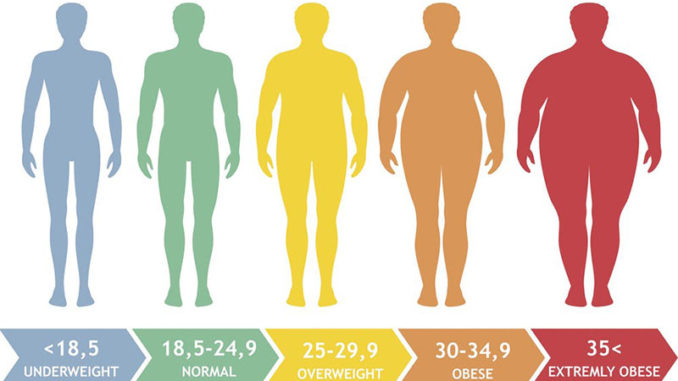
Current guidelines generally recommend weight loss surgery for adults with a BMI of 35 or higher, and say it can be considered at a BMI of 30 to 34.9 when there is a metabolic condition such as type 2 diabetes. Your surgeon decides whether surgery is right for you after a full evaluation.
How long does it take to recover from vertical sleeve gastrectomy?
Most people feel much better within a few weeks and are back to normal activities in about 6 to 8 weeks. Healing inside takes longer than the incisions, so follow your diet stages and lifting limits even when you feel well.
When can I eat normal food again after a sleeve?
You move from liquids to pureed and soft foods over the first several weeks, then to regular textures. Portions stay much smaller than before surgery, and some foods, such as bread or tough meat, may take longer to tolerate.
When will I start to see weight loss?
Weight usually starts to come off in the first weeks, when you are eating very little. It is normal for the pace to slow and for short plateaus to happen. Results vary from person to person.
Is it normal to feel tired in the first weeks?
Yes. Your body is healing and you are taking in far fewer calories. Sipping fluids all day, getting your protein in and walking a little each day help. Tell your team if you feel dizzy, faint or are getting worse.
Can I regain weight after vertical sleeve gastrectomy?
Yes, some people do, especially if old eating habits return. Staying in touch with your care team, keeping up protein and activity, and asking for help early make it easier to stay on track.
Why Vertical Sleeve Gastrectomy is Worth Considering
The success of vertical sleeve gastrectomy lies in its simplicity and efficacy. By removing up to 80% of the stomach, the procedure not only facilitates weight loss but also helps maintain it long-term. Patients report high satisfaction due to significant improvements in both physical and emotional well-being.
Whether you’re inspired by vertical sleeve gastrectomy success stories or intrigued by the benefits of vertical sleeve gastrectomy, this surgery is a well-established option for people who are ready to commit to a healthier lifestyle.
Take the Next Step
If you’re considering Vertical Sleeve Gastrectomy (VSG), consult with a trusted bariatric surgeon to explore the procedure, its benefits, and the recovery process. Tampa Weight Loss Institute offers personalized care to help you achieve your health and weight-loss goals. Your journey to a healthier, more confident you could be just one step away—schedule a consultation today!
The information provided on this website is for educational and informational purposes only and is not intended as medical advice. Always consult with a qualified healthcare provider regarding any medical concerns, conditions, or treatment options. Individual results may vary. The services described are not intended to diagnose, treat, cure, or prevent any disease. Any medical procedure should be discussed thoroughly with a licensed professional before beginning treatment.
Dr. Amit Taggar is a board-certified, fellowship-trained bariatric surgeon and the founder of Tampa Weight Loss Institute. Recognized globally for his expertise in robotic weight loss surgery, Dr. Taggar specializes in Roux-en-Y gastric bypass, vertical sleeve gastrectomy, duodenal switch, and complex bariatric revisions. He has trained surgeons from around the world and performed live surgical demonstrations at major international conferences.
Committed to empowering patients on their weight loss journey, Dr. Taggar emphasizes a comprehensive approach to long-term success, integrating advanced surgical techniques with personalized aftercare. At Tampa Weight Loss Institute, he leads a team dedicated to transforming lives through compassionate, patient-centered care.