If you’re considering weight loss surgery, you’ve likely heard of Roux-en-Y gastric bypass, a procedure that has transformed millions of lives. But how did this groundbreaking surgery come to be? The journey of Roux-en-Y gastric bypass is a story of scientific innovation, refinement, and an unwavering commitment to helping individuals struggling with obesity.
At Tampa Weight Loss Institute, led by Dr. Amit Taggar, we bring this rich history into practice, using the latest advancements to help patients achieve their health goals. Let’s explore the origins and evolution of Roux-en-Y gastric bypass and how it has become the gold standard in bariatric surgery.
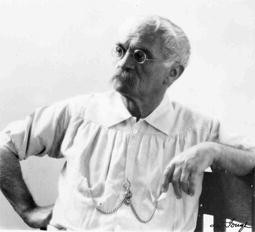
The history of Roux-en-Y gastric bypass dates back to the 19th century. César Roux, a Swiss surgeon, developed a Y-shaped surgical technique to connect the stomach to the small intestine for patients with digestive issues. While his work wasn’t focused on weight loss, it set the stage for future innovations.
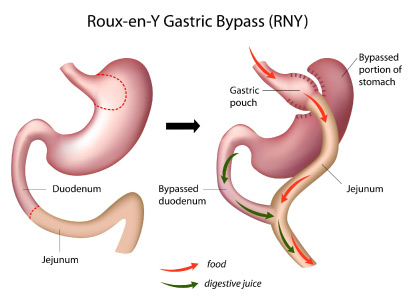
In the 1960s, Dr. Edward Mason, often called the “father of obesity surgery,” adapted Roux’s technique to create the first gastric bypass for weight management. His goal was to reduce stomach size (restriction) and bypass part of the small intestine (malabsorption) to achieve significant weight loss. Mason’s pioneering work addressed a growing obesity epidemic and marked the birth of modern bariatric surgery.
The initial versions of Roux-en-Y gastric bypass were performed using open surgery, which required large incisions and resulted in extended recovery times. However, the introduction of laparoscopic techniques in the 1990s revolutionized the field.
Laparoscopic surgery uses small incisions and specialized instruments, reducing risks, pain, and recovery time. Research published in The American Journal of Surgery highlights how this approach has significantly improved patient outcomes while maintaining the surgery’s effectiveness.
Advancements didn’t stop there. Medical professionals began to understand the surgery’s profound metabolic effects. Studies revealed that the procedure not only facilitates weight loss but also helps patients achieve remission from Type 2 diabetes, improves cardiovascular health, and reduces the risk of obesity-related cancers.
The success of Roux-en-Y gastric bypass lies in its dual mechanism:
Beyond these physical changes, Roux-en-Y also impacts hormones like Ghrelin (which controls hunger) and GLP-1 (which regulates blood sugar). These changes lead to reduced appetite and improved glucose metabolism, making it highly effective for long-term health benefits.
Roux-en-Y gastric bypass, paired with the comprehensive care we provide, has potential to truly change lives.
No surgical procedure is without risks, and Roux-en-Y gastric bypass is no exception. Potential complications include nutritional deficiencies, dumping syndrome, or gastrointestinal obstruction. However, at Tampa Weight Loss Institute, we prioritize safety and minimize risks through:
The story of Roux-en-Y gastric bypass is more than a history lesson, it’s a testament to medical innovation and the determination to address obesity. Today, it’s one of the most effective tools for combating obesity and improving overall health. By choosing this procedure, you’re benefiting from decades of research and refinement, as well as the expertise of professionals like Dr. Amit Taggar.
At Tampa Weight Loss Institute, we honor the legacy of Roux-en-Y gastric bypass by providing exceptional care and utilizing the latest advancements. From pre-surgery education to comprehensive aftercare, our patient-centered approach ensures that you feel supported at every step.
Here’s what sets us apart:
If you’re ready to explore how Roux-en-Y gastric bypass can transform your life, we’re here to help. Contact Tampa Weight Loss Institute today to schedule a consultation with Dr. Amit Taggar.
Your health is our priority. Let Tampa Weight Loss Institute help you write the next chapter of your success story!
-Disclaimer-
The information provided on this website is for educational and informational purposes only and is not intended as medical advice. Always consult with a qualified healthcare provider regarding any medical concerns, conditions, or treatment options. Individual results may vary. The services described are not intended to diagnose, treat, cure, or prevent any disease. Any medical procedure should be discussed thoroughly with a licensed professional before beginning treatment.
Dr. Amit Taggar is a board-certified, fellowship-trained bariatric surgeon and the founder of Tampa Weight Loss Institute. Recognized globally for his expertise in robotic weight loss surgery, Dr. Taggar specializes in Roux-en-Y gastric bypass, vertical sleeve gastrectomy, duodenal switch, and complex bariatric revisions. He has trained surgeons from around the world and performed live surgical demonstrations at major international conferences.
Committed to empowering patients on their weight loss journey, Dr. Taggar emphasizes a comprehensive approach to long-term success, integrating advanced surgical techniques with personalized aftercare. At Tampa Weight Loss Institute, he leads a team dedicated to transforming lives through compassionate, patient-centered care.