Knowing the Difference: SADI vs. Duodenal Switch


When looking into bariatric surgery, two options often come up in every discussion: the Single Anastomosis Duodenal Switch (SADI) and the Duodenal Switch (DS). If you’re considering weight loss surgery, it’s important to understand the key differences between these two procedures to make an informed decision. At the Tampa Weight Loss Institute, we aim to navigate with you through the decision-making process.

What Is the Duodenal Switch (DS)?

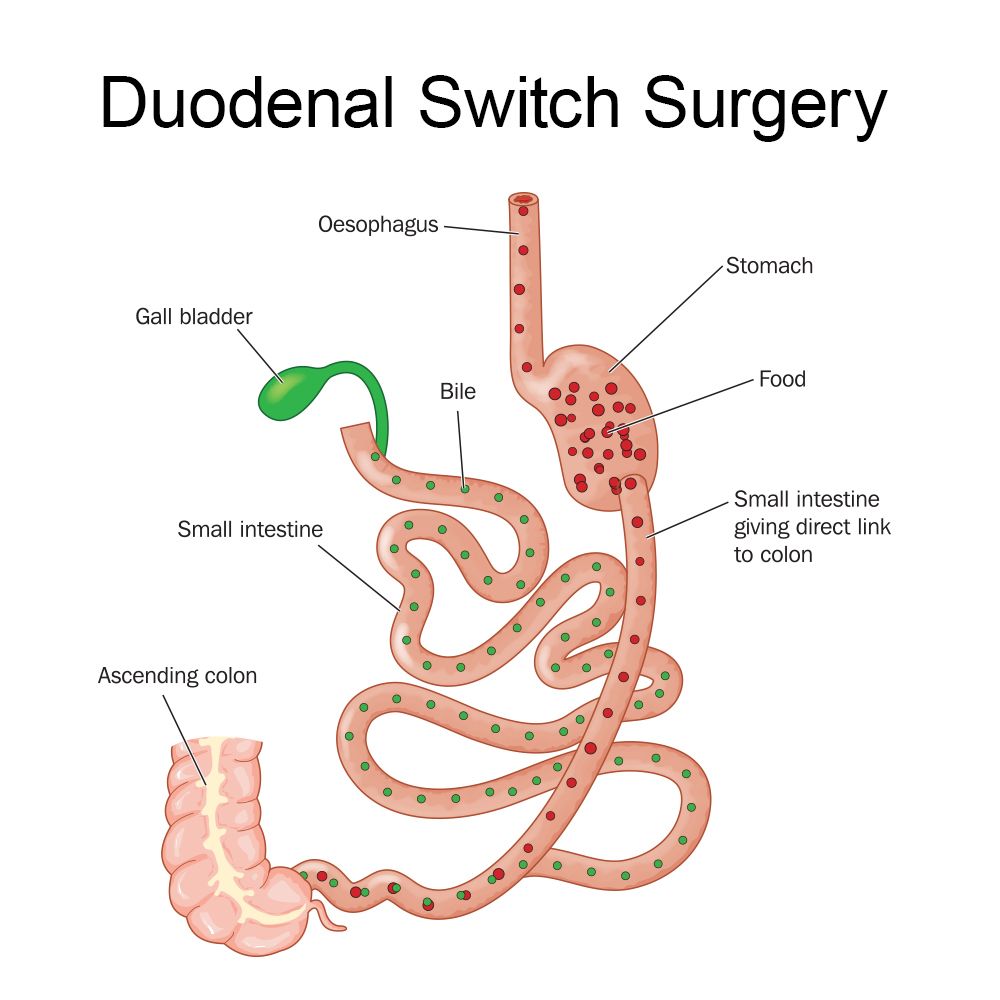
The Duodenal Switch is a powerful, multi-step bariatric procedure that combines two components:

  • Sleeve Gastrectomy: This part of the surgery involves removing a significant portion of the stomach, leaving behind a small, sleeve-shaped pouch. This reduces the stomach’s capacity, helping you feel full with much smaller portions.
  • Duodenal Bypass: The second part of the procedure reroutes the small intestine, bypassing a portion of it. This limits the amount of nutrients and calories absorbed, resulting in significant weight loss.


The Science Behind the Duodenal Switch

Research shows that DS leads to some of the most significant weight loss results in the long term compared to other procedures. A study published in Obesity Surgery found that patients who underwent the Duodenal Switch lost an average of 70-80% of their excess weight within 2 years.

But, it’s important to note that the Duodenal Switch is more complex than some other surgeries, and requires more intensive follow-up care, including nutritional support. Because of the bypassed portion of the small intestine, your body will absorb fewer nutrients, which may lead to deficiencies if not monitored closely.


duodenal switch illustration

What Is the SADI Procedure?

The Single Anastomosis Duodenal Switch (SADI) is a newer, less invasive version of the Duodenal Switch. Essentially, it’s a streamlined approach that still includes the Sleeve Gastrectomy but simplifies the intestinal bypass.

  • Simplified Bypass: Unlike the traditional DS, which involves two points of reconnection in the intestine, the SADI involves only one, reducing the complexity of the procedure.
  • Less Risk of Complications: SADI generally carries a lower risk of complications compared to the traditional DS. An excellent option for patients who want the benefits of the Duodenal Switch with a shorter recovery time.

SADI vs. DS: Which is Right for You?

1
Weight Loss Potential
While both procedures promote significant weight loss, the Duodenal Switch has the edge in terms of potential. The bypass in the DS is more extensive, meaning it can result in faster and more dramatic weight loss. Research supports this, with a study from the American Journal of Surgery showing that DS patients can lose up to 80% of their excess weight within 18 months.
SADI patients also see significant weight loss, typically between 60-70% of excess weight, but this can take a bit longer to achieve in comparison. Many patients notice that the SADI procedure offers a good balance of effective weight loss with fewer complications.
2
Nutritional Deficiencies
A common concern after both procedures due to the reduced absorption of vitamins and minerals. Nevertheless, the Duodenal Switch has a higher risk of deficiencies due to the more extensive intestinal rerouting. Patients who undergo the DS must adhere to strict lifelong vitamin supplementation, including iron, calcium, and vitamin D.
The SADI, with its simpler bypass, tends to result in fewer nutritional issues, though supplementation is still recommended. Patients who choose SADI are often able to maintain better nutrient absorption, making it a more viable option for some people.

3
Recovery Time
SADI has generally shorter recovery time than the DS. Since SADI involves less intestinal rerouting, the procedure is less invasive, which often translates to a shorter hospital stay and faster return to daily activities. Many patients report a recovery period of around 2-4 weeks, while those undergoing a full Duodenal Switch may need a bit more time.

Which Procedure Should You Choose?

Ultimately, the decision between SADI and Duodenal Switch depends on your personal health goals, weight loss expectations, and willingness to commit to long-term nutritional support.

If you’re looking for maximum weight loss and are comfortable with more extensive follow-up care, the Duodenal Switch might be your best option. On the other hand, if you’re seeking a less complex procedure with a faster recovery, the SADI may be the way to go.

At the Tampa Weight Loss Institute, we understand that every patient’s journey is unique. Dr. Amit Taggar and our team of experts are committed to helping you choose the procedure that best aligns with your goals, and medical needs. Whether you’re considering SADI or Duodenal Switch, we’ll stay with you every step of the way.

Choosing bariatric surgery is a big decision, and we’re here to provide the support and expertise you need. Learn more about your options and how the Tampa Weight Loss Institute can help you achieve your weight loss goals. 

Contact us today to schedule a consultation with Dr. Amit Taggar and put your uncertainties to rest!

-Disclaimer-

The information provided on this website is for educational and informational purposes only and is not intended as medical advice. Always consult with a qualified healthcare provider regarding any medical concerns, conditions, or treatment options. Individual results may vary. The services described are not intended to diagnose, treat, cure, or prevent any disease. Any medical procedure should be discussed thoroughly with a licensed professional before beginning treatment.

Author

  • Dr. Amit Taggar Headshot

    Dr. Amit Taggar is a board-certified, fellowship-trained bariatric surgeon and the founder of Tampa Weight Loss Institute. Recognized globally for his expertise in robotic weight loss surgery, Dr. Taggar specializes in Roux-en-Y gastric bypass, vertical sleeve gastrectomy, duodenal switch, and complex bariatric revisions. He has trained surgeons from around the world and performed live surgical demonstrations at major international conferences.

    Committed to empowering patients on their weight loss journey, Dr. Taggar emphasizes a comprehensive approach to long-term success, integrating advanced surgical techniques with personalized aftercare. At Tampa Weight Loss Institute, he leads a team dedicated to transforming lives through compassionate, patient-centered care.