Can You Reverse a Roux-en-Y Gastric Bypass?

If you’ve had a Roux-en-Y gastric bypass and are experiencing complications or are curious about your options, you might wonder

“Can it be reversed?”

While reversing this type of surgery is rare, it can be the right choice for some patients. At Tampa Weight Loss Institute, under the expert leadership of Dr. Amit Taggar, we offer personalized care for complex bariatric cases. Below, we cover the details, from why reversals happen to how we support you every step of the way.

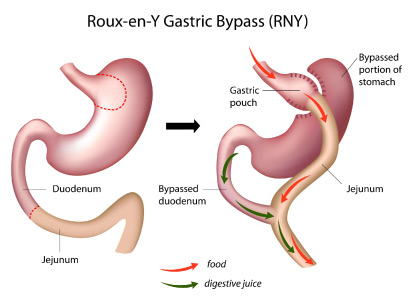
roux-en-Y gastric bypass illustration

Why Reverse a Gastric Bypass?

Reversing a Roux-en-Y gastric bypass is rare and typically considered only in specific circumstances. The main reasons include:

  1. Severe Complications:
    • Chronic malnutrition despite supplements and dietary adjustments.
    • Persistent, debilitating dumping syndrome.
    • Recurrent ulcers or bowel obstructions.
  2. Health Conditions:
    • Severe hypoglycemia that is unresponsive to conventional treatments.
    • Poor quality of life due to ongoing complications from the original surgery.
  3. Medical Necessity:
    • Some patients require reversals to improve health conditions that interfere with critical medical treatments, such as organ transplants.

At Tampa Weight Loss Institute, we understand how difficult it can be to face these challenges, and we’re here to help find the best path forward.

What the Evaluation Looks Like Before a Reversal

Because reversal is a major operation, your surgeon will first try to find the exact cause of your symptoms and whether simpler treatment could help. The evaluation may include:

  • A detailed review of your symptoms, eating habits and medical history, including records from your original surgery
  • An upper endoscopy to look at the pouch and its connection to the intestine for ulcers or narrowing
  • Imaging tests, such as a CT scan or an X-ray study with contrast
  • Blood tests to check protein, vitamin and mineral levels
  • Meetings with a dietitian, and sometimes other specialists, to try diet changes or medicines first

Many problems after gastric bypass, such as ulcers, dumping syndrome or low blood sugar, can often be improved without surgery. Reversal is usually considered when these steps have not worked.

How Is a Gastric Bypass Reversed?

Reversal of a Roux-en-Y gastric bypass is a complex procedure that restores the stomach and intestines to their original configuration. This intricate surgery requires detaching and reattaching sections of the digestive system, restoring normal anatomical function.  Given the intricacy of the procedure, it should be performed by an experienced bariatric surgeon such as Dr. Amit Taggar.

In some cases, a revision of the gastric bypass (modifying its configuration) may be a safer and more effective option than a full reversal. Dr. Taggar and his team will discuss all possibilities with you, ensuring the chosen solution aligns with your health needs.

Reversal, Revision or Conversion: What Is the Difference?

These words are easy to mix up, but they mean different things:

  • Reversal: The surgeon reconnects the small pouch to the rest of the stomach and restores the normal path of food through the intestine. The goal is to get as close as possible to your original anatomy.
  • Revision: The bypass stays, but part of it is changed. Examples include making a stretched pouch smaller, repairing an ulcer or narrowing, or changing the length of the bypassed intestine.
  • Conversion: The bypass is changed into a different type of operation. For example, a bypass may be reversed and a sleeve gastrectomy created at the same time, so you keep some help with weight control.

Each option has its own risks and benefits. Learn more on our bariatric revision surgery page, or read about malabsorption after Roux-en-Y gastric bypass if nutrition problems are your main concern.

What Are the Risks of Reversal?

As with any surgery, there are risks, including:

  • Infection and Bleeding: Standard risks associated with abdominal procedures.
  • Anesthesia-Related Complications: These vary depending on your overall health.
  • Weight Regain: Reversing a bypass may increase the stomach’s capacity and absorption capabilities, making weight management more challenging.
  • Technical Complexity: Scar tissue from the original surgery can complicate the procedure.

Here, at Tampa Weight Loss Institute, we mitigate these risks by conducting a thorough evaluation of your medical history and current health. Each surgery is planned around your unique needs.

What Happens After a Reversal?

Recovery after a gastric bypass reversal depends on your individual case and the complexity of the procedure. Here’s what you can expect:

1
Recovery:
Most patients require several weeks to heal, with gradual improvement in energy and comfort levels.
2
Dietary Adjustments:
Post-reversal, you’ll work with a dietitian to gradually reintroduce foods and ensure body’s nutritional needs are met. Our registered dietitians will guide you through a tailored meal plan to help your digestive system adapt post-surgery.
3
Weight Management:
Weight regain is a significant concern after a reversal. Tampa Weight Loss Institute’s comprehensive weight management program includes nutritional counseling, behavioral therapy, and long-term follow-up to help you maintain your health.

Is Reversal Always the Best Option?

In some cases, a revision may be a better alternative than a full reversal. For example, adjusting the size of the stomach pouch or the bypassed intestine can alleviate certain complications without undoing the entire procedure. Dr. Taggar and his team will carefully evaluate your case and guide you through the decision-making process, ensuring you fully understand all your options.

Signs You Should Talk to Your Surgeon About Your Bypass

You do not need to wait until a problem is severe to ask for help. Contact your bariatric surgeon if you have:

  • Belly pain that keeps coming back, especially after meals
  • Nausea or vomiting that does not go away, or trouble keeping food down
  • Shakiness, sweating, dizziness or confusion a few hours after eating, which can be a sign of low blood sugar
  • Ongoing diarrhea, or weight loss that will not stop
  • Signs of low iron or vitamins, such as severe tiredness or numbness in your hands or feet

Sudden, severe belly pain, black stools or vomiting blood after gastric bypass need emergency care right away. Severe pain can be a sign of an internal hernia or blockage.

Gastric Bypass Reversal FAQs

How common is gastric bypass reversal?

Reversal is uncommon. Most problems after gastric bypass can be managed with medicines, diet changes or a smaller revision. Reversal is usually kept for serious problems that have not improved with other treatment.

Will I regain weight after a reversal?

Weight regain is common after a reversal because the stomach and intestine work more like they did before. Your team will help you plan for this with nutrition support and activity. Some patients choose a conversion to a sleeve to keep some help with weight control.

Can a gastric bypass be reversed many years later?

In many cases, yes, but scar tissue and changes over time can make the operation more complex. Your surgeon will review your records and tests to decide whether it is possible and safe for you.

Will low blood sugar go away after a reversal?

Reversal can help some people with severe low blood sugar after bypass, but it does not help everyone. Diet changes and medicines are usually tried first. Your surgeon may work with a hormone specialist on this decision.

Is reversal surgery done laparoscopically?

It can often be done through small incisions, depending on your anatomy and any scar tissue. Some cases need a larger, open incision. Your surgeon will explain the plan before surgery.

How does Tampa Weight Loss Institute Stand Out in Bariatric Care?

Reversing a gastric bypass is a life-changing decision that requires careful planning and a team of compassionate experts. At Tampa Weight Loss Institute, we go beyond surgery, offering holistic care that includes emotional support, nutritional guidance, and advanced surgical expertise. Dr. Amit Taggar’s dedication to patient-centered care ensures you’ll feel confident and supported at every stage.

Head over to read success stories about how patients’ lives have changed under our care. Whether it’s overcoming complications or achieving a healthier life, our team is here to help you write your success story, too!

Ready to Take the Next Step?

If you’re considering a gastric bypass reversal or have questions about your options, the team at Tampa Weight Loss Institute is here to help. Schedule a consultation with Dr. Amit Taggar today and learn how we can support your journey to improved health.

-Disclaimer-

The information provided on this website is for educational and informational purposes only and is not intended as medical advice. Always consult with a qualified healthcare provider regarding any medical concerns, conditions, or treatment options. Individual results may vary. The services described are not intended to diagnose, treat, cure, or prevent any disease. Any medical procedure should be discussed thoroughly with a licensed professional before beginning treatment.

Author

  • Dr. Amit Taggar Headshot

    Dr. Amit Taggar is a board-certified, fellowship-trained bariatric surgeon and the founder of Tampa Weight Loss Institute. Recognized globally for his expertise in robotic weight loss surgery, Dr. Taggar specializes in Roux-en-Y gastric bypass, vertical sleeve gastrectomy, duodenal switch, and complex bariatric revisions. He has trained surgeons from around the world and performed live surgical demonstrations at major international conferences.

    Committed to empowering patients on their weight loss journey, Dr. Taggar emphasizes a comprehensive approach to long-term success, integrating advanced surgical techniques with personalized aftercare. At Tampa Weight Loss Institute, he leads a team dedicated to transforming lives through compassionate, patient-centered care.