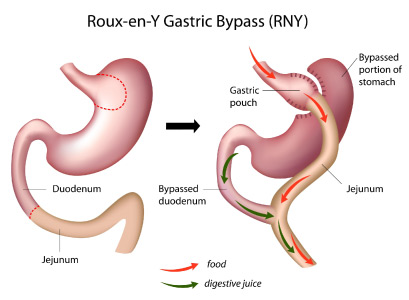
Anastomosis in Roux-en-Y Gastric Bypass

Roux-en-Y Gastric Bypass (RYGB) is one of the most effective and widely performed weight loss surgeries. It has helped thousands achieve significant weight loss and improve their quality of life, especially for those dealing with obesity and obesity-related health conditions. A critical part of this procedure is the anastomosis, the surgical connection made between the stomach and the small intestine. Understanding anastomosis, and its crucial role in the success of your surgery, can help you feel more confident as you move forward in your weight loss journey.

At Tampa Weight Loss Institute, we prioritize providing our patients with the information they need to make informed decisions. In this article, we’ll explain what anastomosis is, why it’s essential for successful weight loss, and how it impacts your metabolic health, all backed by the latest research. Let’s dive in!

roux en y gastric bypass illustration

What is Anastomosis?

Anastomosis is a term that refers to the surgical connection or junction made between two structures. In the case of Roux-en-Y gastric bypass, an anastomosis is created between the small stomach pouch and the small intestine. This rerouting allows food to bypass a significant portion of the stomach and the first part of the small intestine (the duodenum), which results in both reduced calorie absorption and hormonal changes that support weight loss.

This step is key to the procedure’s success, as it not only helps in weight loss but also significantly impacts the body’s metabolic processes.

Why is Anastomosis Important?

The primary goal of Roux-en-Y gastric bypass is to help patients lose weight and manage obesity-related health conditions. Research consistently shows that RYGB is effective in achieving long-term weight loss, with many patients losing around 60-80% of their excess body weight within the first two years after surgery. The anastomosis plays a central role in this achievement.

By rerouting the digestive system, the procedure limits how much food the body can take in at one time. This restriction, paired with the malabsorption (reduced absorption of calories and nutrients), leads to significant weight loss.

But it’s not just about the weight loss. RYGB, through its unique anastomosis, can help improve or resolve obesity-related conditions like:

  • Type 2 Diabetes
  • High Blood Pressure
  • Sleep Apnea
  • Heart Disease

Research Insight: According to a study published in JAMA Surgery, RYGB has been shown to lead to a 60-80% improvement in Type 2 diabetes remission rates, especially for those who are overweight or obese, due to the combined effects of both restriction and hormonal changes.

How is Anastomosis Performed?

During the surgery, the surgeon creates a small pouch at the top of your stomach, which is then connected to the middle part of the small intestine (the jejunum). This reroutes the food to bypass most of the stomach and the first part of the small intestine.

There are two primary anastomosis sites in this procedure:

  1. Gastrojejunostomy: The connection between the stomach pouch and the jejunum (middle section of the small intestine).
  2. Jejunojejunostomy: The connection between the two parts of the small intestine.

These connections ensure that food bypasses the stomach and the first part of the small intestine, promoting both weight loss and improved metabolic function.

Key Benefit: This altered digestion leads to hormonal changes that enhance satiety, reduce hunger, and help with insulin sensitivity.

anastomosis in roux-en-y gastric bypass illustration

Risks and Considerations of Anastomosis

As with any surgical procedure, there are risks associated with the anastomosis in Roux-en-Y gastric bypass. Potential complications include:

  • Leaking at the anastomosis site: This can occur if the surgical connection doesn’t heal properly.
  • Strictures: Narrowing of the anastomosis, which can make it harder for food to pass through.
  • Obstruction: A blockage of the intestines due to scar tissue.

At Tampa Weight Loss Institute, our experienced team of bariatric surgeons, including Dr. Amit Taggar, ensures that every step of your procedure, including the anastomosis, is done with the utmost care and precision. By utilizing advanced techniques and technology, we minimize the risk of complications and prioritize your safety.


Long-Term Benefits and Lifestyle After Surgery

Post-surgery, patients will notice not only significant weight loss but also improvements in overall health. Since the anastomosis affects how the body digests and absorbs food, patients need to adopt a lifelong commitment to healthy eating, regular exercise, and vitamin supplementation to avoid nutritional deficiencies.

Evidence-Based Approach: Research published in Obesity Surgery has highlighted the importance of post-surgery care, showing that patients who follow dietary guidelines and take the recommended supplements experience more sustained weight loss and fewer complications in the long run.

At Tampa Weight Loss Institute, our support doesn’t end when you leave the operating room. We provide comprehensive post-surgery care, including personalized nutrition counseling, ongoing health monitoring, and psychological support to ensure a smooth transition to your new lifestyle.

Are You Ready to Take the First Step?

If you’re considering Roux-en-Y gastric bypass, understanding the importance of the anastomosis and its role in your weight loss journey is essential. At Tampa Weight Loss Institute, we provide the expertise, care, and support you need to make an informed decision.

Contact us today to schedule a consultation with our expert team. Let us help you take control of your health, achieve your weight loss goals, and improve your quality of life. Together, we can make your health transformation a reality.

-Disclaimer-

The information provided on this website is for educational and informational purposes only and is not intended as medical advice. Always consult with a qualified healthcare provider regarding any medical concerns, conditions, or treatment options. Individual results may vary. The services described are not intended to diagnose, treat, cure, or prevent any disease. Any medical procedure should be discussed thoroughly with a licensed professional before beginning treatment.

Author

  • Dr. Amit Taggar Headshot

    Dr. Amit Taggar is a board-certified, fellowship-trained bariatric surgeon and the founder of Tampa Weight Loss Institute. Recognized globally for his expertise in robotic weight loss surgery, Dr. Taggar specializes in Roux-en-Y gastric bypass, vertical sleeve gastrectomy, duodenal switch, and complex bariatric revisions. He has trained surgeons from around the world and performed live surgical demonstrations at major international conferences.

    Committed to empowering patients on their weight loss journey, Dr. Taggar emphasizes a comprehensive approach to long-term success, integrating advanced surgical techniques with personalized aftercare. At Tampa Weight Loss Institute, he leads a team dedicated to transforming lives through compassionate, patient-centered care.