A Guide to Some Side Effects of Duodenal Switch and How You Can Manage Them

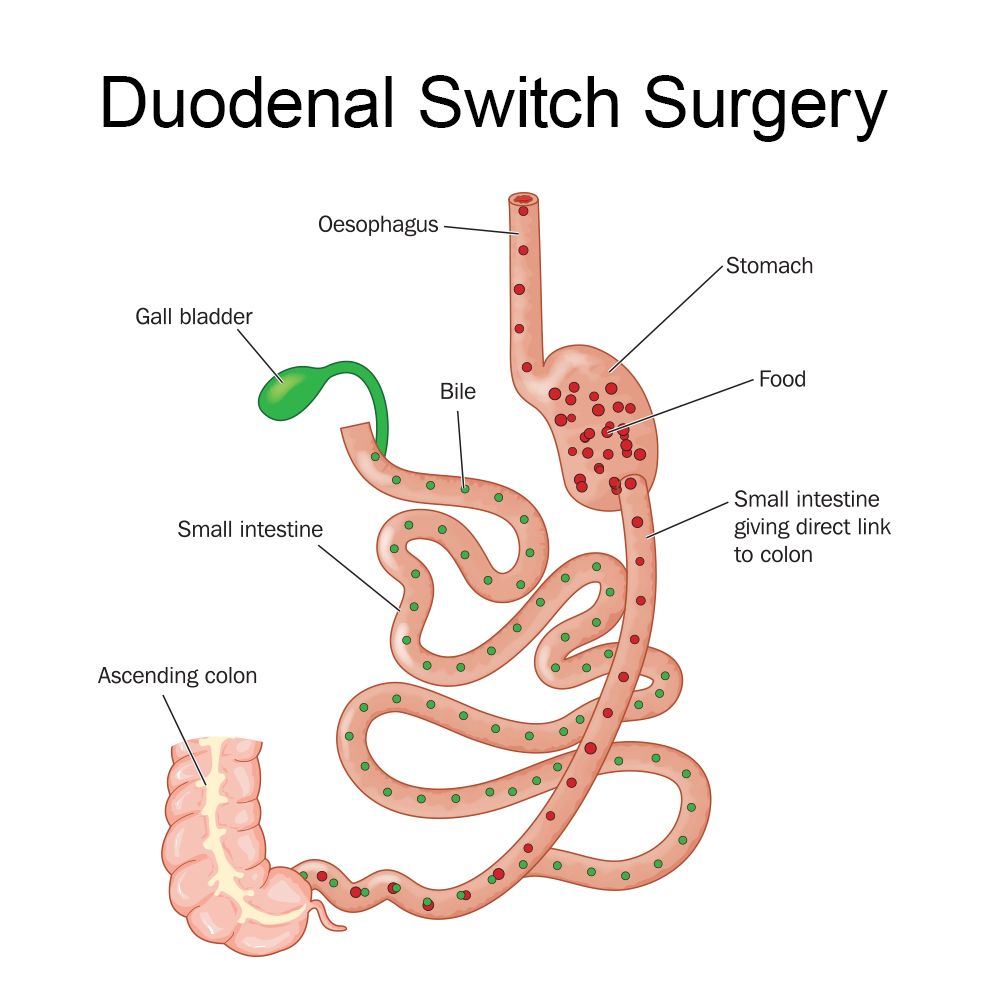
The duodenal switch (DS) is a highly effective weight-loss surgery for patients with severe obesity. It combines a Sleeve Gastrectomy with an intestinal bypass, helping you shed excess weight and improve your overall health by altering your digestion process. Though, like any surgery, it comes with potential side effects. Understanding these challenges and how to manage them is essential to ensuring a smooth recovery and long-term success.

At the Tampa Weight Loss Institute, under the expert care of Dr. Amit Taggar, we prioritize not just your surgery but your overall health journey. Here’s a comprehensive guide to some of the common side effects of duodenal switch surgery and strategies to manage them.

duodenal switch surgery

1. Nutrient Deficiencies

One of the most common side effects of the duodenal switch is nutrient malabsorption. Because the procedure bypasses a significant portion of the small intestine, the body absorbs fewer nutrients, including essential vitamins and minerals like:

  • Iron
  • Calcium
  • Vitamin D
  • Vitamin B12

Management

  • Daily Supplements: After surgery, you’ll need lifelong supplementation. Your care team will guide you on the specific vitamins and dosages you need.
  • Regular Blood Tests: Frequent blood work ensures that any deficiencies are detected and addressed promptly.
  • Diet Adjustments: Incorporate nutrient-dense foods, such as lean proteins, leafy greens, and fortified products, into your diet.

2. Digestive Issues

The intestinal bypass component of the duodenal switch can lead to bloating, diarrhea, and gas, especially after consuming high-fat or high-sugar foods.

Management

  • Mindful Eating: Limit fatty, sugary, and fried foods, which can trigger these symptoms.
  • Smaller Meals: Eating smaller portions throughout the day can ease digestion.
  • Probiotics: Adding probiotics to your diet may help regulate gut health and reduce bloating.
  • Hydration: Drinking water regularly aids digestion and reduces discomfort.
bloating a side effect of duodenal switch

3. Dumping Syndrome

A less common condition where food moves too quickly from the stomach into the small intestine. This can cause nausea, dizziness, cramping, and diarrhea.

Management

  • Avoid Sugary Foods: Steer clear of high-sugar meals and snacks.
  • Balanced Meals: Pair carbohydrates with proteins and healthy fats to slow digestion.
  • Chew Thoroughly: Eating slowly and chewing food well can reduce the risk of symptoms.

4. Unintentional Weight Loss and Muscle Loss

The duodenal switch is extremely effective at promoting weight loss, but some patients may lose weight too quickly, leading to fatigue, weakness, and muscle loss.

Management

  • High-Protein Diet: Protein intake is crucial for preserving muscle mass. Include sources like chicken, fish, eggs, and low-fat dairy.
  • Strength Training: Incorporating light weightlifting or resistance exercises helps build and maintain muscle.
  • Caloric Monitoring: Work with a dietitian to ensure you’re consuming enough calories for healthy weight loss.
muscle loss a side effect of duodenal switch illustration

5. Gallstones

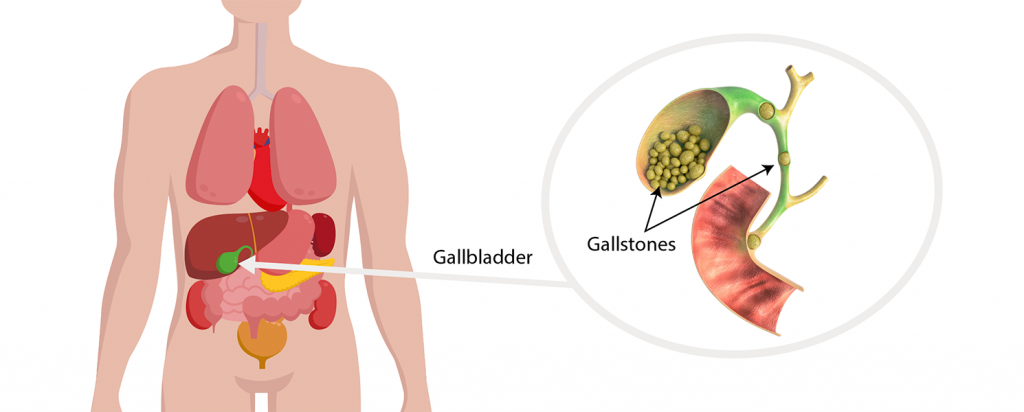
Rapid weight loss can sometimes lead to the formation of gallstones, which can cause pain and discomfort.

Management

  • Preventative Medication: Your surgeon may prescribe medications to reduce the risk of gallstones.
  • Monitor Symptoms: If you experience abdominal pain, nausea, or vomiting, contact your surgeon promptly for evaluation.
gallstones a side effect of duodenal switch surgery illustration

6. Hair Thinning

Nutritional deficiencies and rapid weight loss can contribute to temporary hair thinning.

Management

  • Biotin and Zinc: Supplements containing biotin and zinc may support hair health.
  • Balanced Diet: Ensure you’re getting enough protein, iron, and vitamins.
  • Patience: Hair thinning is often temporary and resolves as your body adjusts.
hair thinning a side effect of duodenal switch surgery

7. Emotional Adjustments

Adjusting to a new lifestyle after surgery can feel overwhelming. Some patients experience mood swings or emotional challenges during this transition.

Management

  • Support Groups: Joining a bariatric surgery support group can provide encouragement and practical advice from others on the same journey.
  • Counseling Services: Mental health support can help you navigate changes and stay motivated throughout your weight loss journey.
  • Self-Care: Practice mindfulness and prioritize activities that boost your mental well-being.

8. Long-Term Lifestyle Changes

Adjusting to a new diet and lifestyle can feel daunting. Many patients struggle with adherence to dietary and exercise recommendations.

Management

Follow-Up Care: Regular appointments with Dr. Amit Taggar ensure you’re on track with your recovery and health goals.

Why Choose Tampa Weight Loss Institute?

At the Tampa Weight Loss Institute, we don’t just perform surgeries—we create lifelong partnerships with our patients. Under the leadership of Dr. Amit Taggar, our team provides personalized care plans, education, and ongoing support to help you thrive after duodenal switch surgery.

What We Offer:
Customized Pre- and Post-Surgery Plans: Tailored to your individual needs.

Nutritional Counseling: Comprehensive guidance to ensure proper nutrient intake.

Follow-Up Care: Regular check-ins to monitor your progress and address concerns.

Supportive Community: A network of healthcare professionals and peers dedicated to your success.

Take Charge of Your Health Today

If you’re considering the duodenal switch or are navigating life post-surgery, you don’t have to do it alone. Schedule a consultation with Dr. Amit Taggar at the Tampa Weight Loss Institute today. Together, we’ll create a plan to manage side effects and ensure you achieve your health and weight-loss goals.

Visit us at Tampa Weight Loss Institute or schedule an  appointment. Let us help you make the most of your weight-loss journey!

-Disclaimer-

The information provided on this website is for educational and informational purposes only and is not intended as medical advice. Always consult with a qualified healthcare provider regarding any medical concerns, conditions, or treatment options. Individual results may vary. The services described are not intended to diagnose, treat, cure, or prevent any disease. Any medical procedure should be discussed thoroughly with a licensed professional before beginning treatment.

Author

  • Dr. Amit Taggar Headshot

    Dr. Amit Taggar is a board-certified, fellowship-trained bariatric surgeon and the founder of Tampa Weight Loss Institute. Recognized globally for his expertise in robotic weight loss surgery, Dr. Taggar specializes in Roux-en-Y gastric bypass, vertical sleeve gastrectomy, duodenal switch, and complex bariatric revisions. He has trained surgeons from around the world and performed live surgical demonstrations at major international conferences.

    Committed to empowering patients on their weight loss journey, Dr. Taggar emphasizes a comprehensive approach to long-term success, integrating advanced surgical techniques with personalized aftercare. At Tampa Weight Loss Institute, he leads a team dedicated to transforming lives through compassionate, patient-centered care.