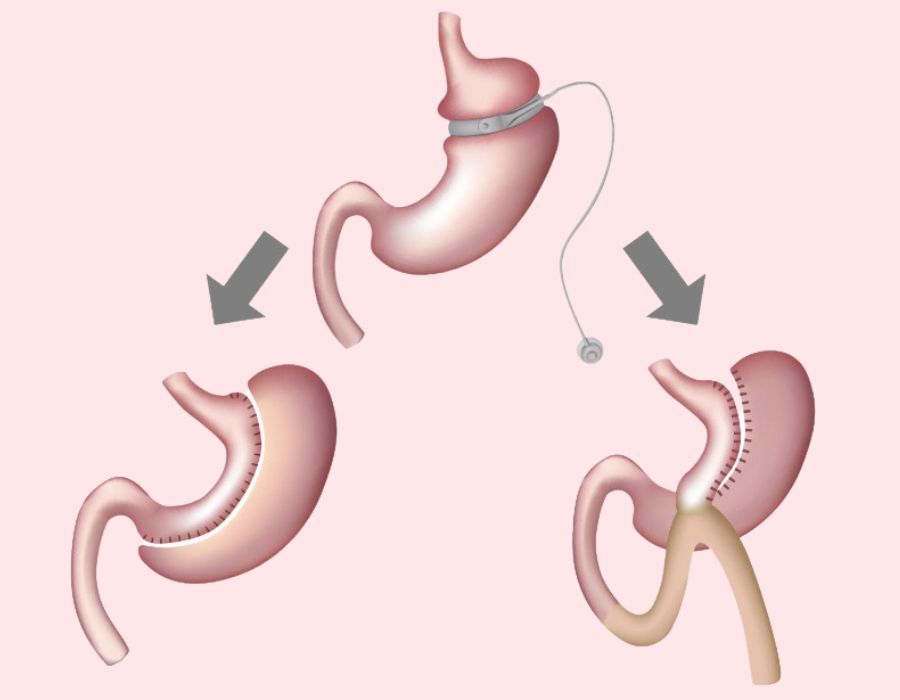
Yes. Many Insurance plans may cover Bariatric Revision Surgery when it is medically necessary. However, the word “cover” is not the same as “approved.” Most patients need Prior Authorization, documentation that matches the plan’s policy criteria, and an In-Network pathway (Surgeon + Facility + Anesthesia).
Most people immediately ask two follow-up questions:
Which Insurance plans cover Revision Bariatric Surgery?
What do I need to qualify, and how do I avoid a denial?
Here is all the information you would require:
Revision Surgery can be covered when there is a medical reason (complications, severe reflux, anatomical issues, or procedure failure).
Employer plans can vary widely: two patients can both have “BCBS” but different employer rules and exclusions.
Medicare and Medicaid may cover revisions for eligible patients, but criteria and the process differ (Medicaid varies by State).
Your out-of-pocket cost still depends on deductibles, coinsurance, copays, and network status.
Tampa Weight Loss Institute helps verify benefits and build a documentation checklist before submission to reduce delays.
What Counts as Bariatric Revision Surgery
Insurers use specific language, and using the wrong term can slow approvals. Here is the practical difference:
1
Revision
A change to an existing Bariatric procedure to address a medical problem or inadequate outcomes. Example: revising a connection, addressing a complication, or improving function.
2
Conversion
Switching from one Bariatric procedure to another. Example: Sleeve Gastrectomy to SADI.
3
Reversal
Reversing a procedure (less common), usually for serious complications or intolerance.
Most plans are more strict about revisions and conversions than primary surgery because they want clear proof of medical necessity, objective findings when relevant, and documentation of conservative treatments attempted.
The Most Common Reasons Insurance Approves Revision Bariatric Surgery
Severe reflux or GERD symptoms that persist despite medical management and are tied to the prior procedure.
Anatomical or mechanical issues documented by imaging or endoscopy (for example, strictures, ulcers, obstruction, or other medically significant findings).
Complications that create ongoing symptoms, nutritional issues, or functional impairment.
Inadequate weight loss or weight regain when it creates measurable medical risk (not just dissatisfaction).
Which Insurances Commonly Cover Bariatric Revision Surgery
For all Insurers, Revision is most likely to be covered when there is Medical Necessity: Complications (especially GERD/Reflux, Stricture, Ulcer, Obstruction), documented Anatomical Failure, or clinically significant failure tied to Health Risk.
However, below are the common Insurance categories and Eligibility Criteria’s for Bariatric Revision Surgery. Availability is plan-specific, and the best next step is always verification.
Blue Cross Blue Shield (BCBS)
Plan you need to have
An Employer-Sponsored BCBS Plan that includes Bariatric Surgery Benefits (many do, some Employer Plans exclude Bariatric entirely)
Sometimes an ACA Marketplace BCBS Plan can include Bariatric Benefits, but it depends on the specific Marketplace Product and State rules
If you have BCBS Federal (FEP), coverage rules are separate from commercial BCBS
Eligibility Criteria
BCBS Plans commonly approve Revision when there is Medical Necessity, such as:
Complications from the original Surgery (severe GERD/Reflux, Stricture, Ulcer, Obstruction, Leak, etc.)
Anatomical Failure or mechanical issue documented by Imaging/Endoscopy
Inadequate Weight Loss or Weight Regainwith Medical Risk (not just dissatisfaction)
The chosen Revision is appropriate for the clinical problem (example: severe Reflux after Sleeve often pushes toward a different Revision path than weight regain alone)
UnitedHealthcare
Plan you need to have
An Employer-Sponsored UnitedHealthcare Plan that includes Bariatric Coverage (Employer Exclusions are common)
Certain UHC Marketplace Plans may cover Bariatric, depending on the Product and State
Some members have Employer “Centers of Excellence” pathways (the Benefit exists, but you must use the required route)
Eligibility Criteria
UnitedHealthcare commonly looks for:
Medical Necessity supported by Complications, Anatomy, or documented failure
Complication-Driven Revision (Reflux, Obstruction, Ulcer, Stricture, etc.) tends to be the strongest approval category
Weight Regain / Inadequate Loss must be tied to Health Risk and not explainable purely by non-adherence
Objective findings when relevant (Endoscopy, Imaging, Labs) to show cause and justify Revision type
Aetna
Plan you need to have
An Employer Aetna Plan that includes Bariatric Surgery Benefits
Some Aetna Marketplace Plans may cover Bariatric, depending on the Product
Aetna is very “Policy-driven,” meaning your Plan usually follows a defined Coverage Policy checklist (still Employer-dependent)
Eligibility Criteria
Aetna commonly expects:
Medical Necessity (Complications, Anatomical Failure, or clinically significant Failure of primary Surgery)
Your Employer must offer Lantern or Transcarent as a Benefit. You must be an eligible covered Member under that Employer’s program.
Eligibility Criteria for Bariatric Revision
Typically:
Program-defined Eligibility Criteria + Medical Necessity
Qualification is often checked upfront, and then you’re guided through an approved pathway (often with very low or $0 out-of-pocket for eligible Members)
SADI Revision: Why It Is Often a Top Option
SADI-S (Single Anastomosis Duodeno-Ileal Bypass with Sleeve) is a metabolic Bariatric procedure that is frequently used as a revision option, especially after Sleeve Gastrectomy. Many surgeons consider it a high-impact revision because it can deliver strong weight loss and metabolic improvements for appropriate candidates.
What Makes SADI a Strong Revision Choice (For the Right Patient)
It is commonly used as a revision after Sleeve Gastrectomy when additional weight loss or metabolic improvement is needed.
It may provide excellent outcomes for weight loss and comorbidity control in published clinical studies.
Compared with some other revision options, studies have reported favorable weight loss outcomes for SADI-S in certain patient groups.
Important: “Best” is personal. The best revision depends on your symptoms (especially reflux), anatomy, prior surgery details, nutrition risk, and what your Insurance policy supports. A consultation and workup determine the safest, most effective option.
Frequently Asked Questions
What if I do not have my original Operative Report?
Do not panic. Many patients can still move forward using surgeon notes, hospital records, and a documented surgical history. Your team can help request records.
Will Insurance pay for Excess Skin Removal after Bariatric Surgery?
Sometimes, but usually only when it is medically necessary (for example, chronic rashes, infections, skin breakdown, or functional impairment) and documented over time. Cosmetic-only requests are commonly excluded. Coverage varies by plan.
Is SADI always the best revision?
SADI is often a top revision option for eligible patients, but the best procedure depends on symptoms, anatomy, reflux risk, nutrition considerations, and your plan’s criteria.
Next Steps With Tampa Weight Loss Institute
If you are considering Bariatric Revision Surgery, the fastest path is to verify coverage first and then build your documentation around the plan’s criteria.
Book a consultation to review symptoms, history, and revision options (including SADI when appropriate).
Request Insurance Verification so we can confirm covered benefits, requirements, and network status.
Get a documentation checklist tailored to your plan’s revision policy.
Dr. Amit Taggar is a board-certified, fellowship-trained bariatric surgeon and the founder of Tampa Weight Loss Institute. Recognized globally for his expertise in robotic weight loss surgery, Dr. Taggar specializes in Roux-en-Y gastric bypass, vertical sleeve gastrectomy, duodenal switch, and complex bariatric revisions. He has trained surgeons from around the world and performed live surgical demonstrations at major international conferences.
Committed to empowering patients on their weight loss journey, Dr. Taggar emphasizes a comprehensive approach to long-term success, integrating advanced surgical techniques with personalized aftercare. At Tampa Weight Loss Institute, he leads a team dedicated to transforming lives through compassionate, patient-centered care.