Do i have an Eating Disorder?

We all go through phases where our eating habits fluctuate, whether it’s skipping meals during busy workdays or indulging a bit too much on weekends. But how do you know when these fluctuations signal a more serious issue? Recognizing an eating problem early on is crucial for long-term health.

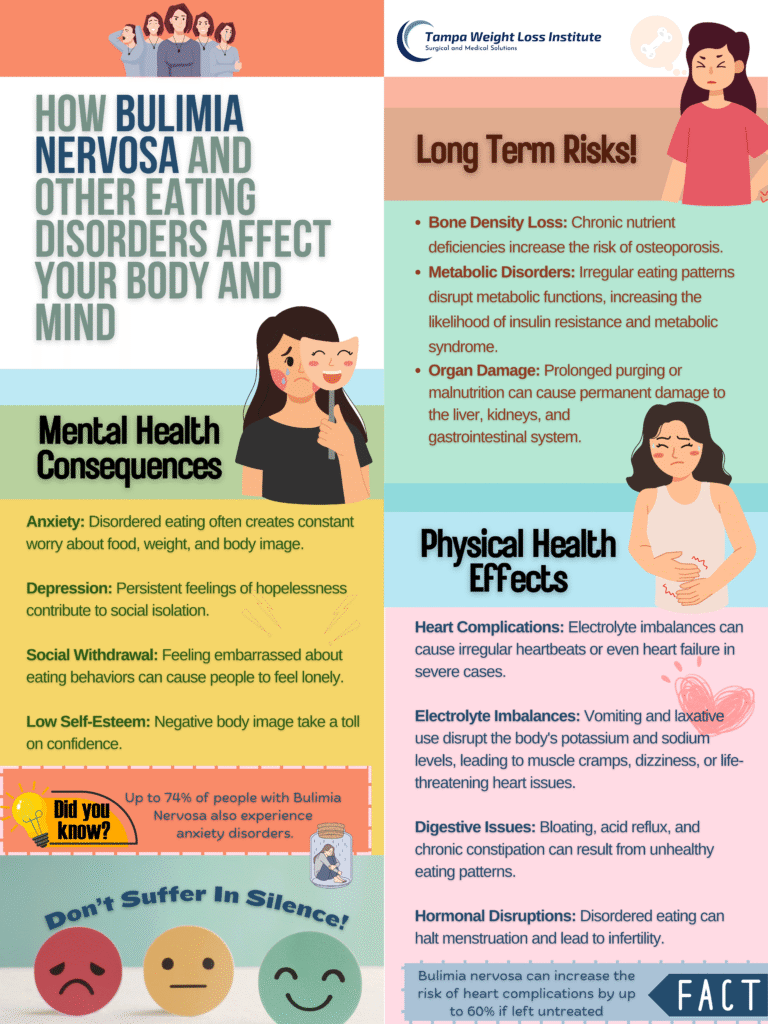
eating disorder inforgraphic

Signs You Might Have an Eating Problem

Eating problems can manifest in various ways, and they’re not always about eating too little or too much. Let’s break down some key signs that may indicate it’s time to seek help.

1
Obsessive Focus on Food or Weight
If thoughts about food, weight, or calories dominate major part of your day, consider it a red flag! Constantly planning meals or feeling guilty after eating can disrupt your mental peace. Research shows that obsessive food thoughts are common symptoms of disordered eating and can negatively affect your mental health (National Eating Disorders Association).
2
Irregular Eating Patterns
Skipping meals regularly, eating at odd hours, or binge-eating when stressed could indicate an underlying issue. Extreme hunger after fasting periods often leads to overeating, creating an unhealthy cycle.
3
Emotional Eating
Do you find yourself eating when you’re bored, stressed, or upset? Occasional emotional eating is normal, but when food becomes your primary way of coping with emotions, it can invite health problems.
4
Physical Symptoms
Eating issues can take a toll on your body. Look out for signs like sudden weight changes, chronic fatigue, dizziness, or gastrointestinal discomfort.
5
Negative Body Image
Having a poor relationship with your body often correlates with unhealthy eating habits. Studies have linked negative body image to a higher risk of developing eating disorders
6
Bulimia Nervosa or Other Eating Disorders
Bulimia nervosa is characterized by episodes of binge eating followed by purging through methods such as vomiting, excessive exercise, or laxative use. This condition often goes unnoticed because individuals may maintain a normal weight, but it poses severe health risks.
What to Do: Seek professional intervention if you notice signs of bulimia nervosa, such as secretive eating behaviors or extreme concern about body shape and weight.


Possible Causes of Eating Problems

Eating issues often stem from a combination of psychological, social, and biological factors:

  • Stress and Mental Health: Anxiety and depression can disrupt your hunger cues.
  • Diet Culture and Social Media: Constant exposure to unrealistic body standards fuels body dissatisfaction and disordered eating.
  • Biological Factors: Hormonal imbalances, particularly those related to thyroid issues, can affect appetite and eating behaviors.
  • Past Trauma: Unresolved trauma may manifest as disordered eating in some individuals.

What Are the Health Implications?

Ignoring eating problems can lead to severe health consequences, such as:

  • Nutritional Deficiencies: Missing essential nutrients can weaken your immune system and affect energy levels.
  • Metabolic Disorders: Irregular eating patterns increase the risk of diabetes and metabolic syndrome.
  • Mental Health Issues: Disordered eating, including bulimia nervosa, is closely linked to anxiety, depression, and social withdrawal.

How to Address Eating Problems

If you suspect you have an eating problem, it’s essential to act. Here are steps to help you regain control:

Seek Professional Help

Consult a registered dietitian or a healthcare provider. They can assess your eating patterns and recommend personalized solutions.

At Tampa Weight Loss Institute, our expert team, led by Dr. Amit Taggar, provides compassionate care tailored to your needs. We offer nutritional counseling and support for both physical and emotional aspects of weight and eating challenges.


Keep a Food and Mood Journal

Tracking your meals and emotions can help identify triggers and patterns that contribute to eating disorder.


Practice Mindful Eating

Eat without distractions, savor each bite, and listen to your body’s hunger and fullness cues. Research suggests that mindful eating can reduce binge-eating episodes (Harvard Health).


Prioritize Balanced Nutrition

Focus on meals that include lean proteins, whole grains, healthy fats, and plenty of fruits and vegetables. Avoid extreme dieting, which often exacerbates eating issues.


Address Emotional Triggers

Engage in stress-relief activities like yoga, meditation, or therapy. Mental well-being plays a critical role in maintaining healthy eating habits.

When to Seek Immediate Help

If eating problem is affecting your daily life or causing significant physical or emotional distress, it’s essential to seek help at once. Symptoms like fainting, severe weight loss, or obsessive food behaviors require prompt medical attention.

We’re Here to Support You!

At Tampa Weight Loss Institute, we believe in treating the whole person. Whether you’re struggling with emotional eating, Bulimia Nervosa, nutritional imbalances, or other challenges, we’re here to provide the care and guidance you need.

Take control of your health today. Schedule a consultation with our expert team to explore personalized solutions for your eating and weight concerns.

Remember, your body is resilient, but early intervention is key to prevent long-term damage!

-Disclaimer-

The information provided on this website is for educational and informational purposes only and is not intended as medical advice. Always consult with a qualified healthcare provider regarding any medical concerns, conditions, or treatment options. Individual results may vary. The services described are not intended to diagnose, treat, cure, or prevent any disease. Any medical procedure should be discussed thoroughly with a licensed professional before beginning treatment.

Author

  • Dr. Amit Taggar Headshot

    Dr. Amit Taggar is a board-certified, fellowship-trained bariatric surgeon and the founder of Tampa Weight Loss Institute. Recognized globally for his expertise in robotic weight loss surgery, Dr. Taggar specializes in Roux-en-Y gastric bypass, vertical sleeve gastrectomy, duodenal switch, and complex bariatric revisions. He has trained surgeons from around the world and performed live surgical demonstrations at major international conferences.

    Committed to empowering patients on their weight loss journey, Dr. Taggar emphasizes a comprehensive approach to long-term success, integrating advanced surgical techniques with personalized aftercare. At Tampa Weight Loss Institute, he leads a team dedicated to transforming lives through compassionate, patient-centered care.