How Much Weight Can You Lose with a Duodenal Switch?
The Duodenal Switch (DS), also known as Biliopancreatic Diversion with Duodenal Switch (BPD/DS), is renowned as one of the most effective bariatric procedures for achieving significant and sustained weight loss. Combining both restriction and malabsorption techniques, it offers life-changing results, particularly for those with severe obesity. If you’re considering this procedure, here’s everything you need to know about its potential for weight loss.
What is a Duodenal Switch?
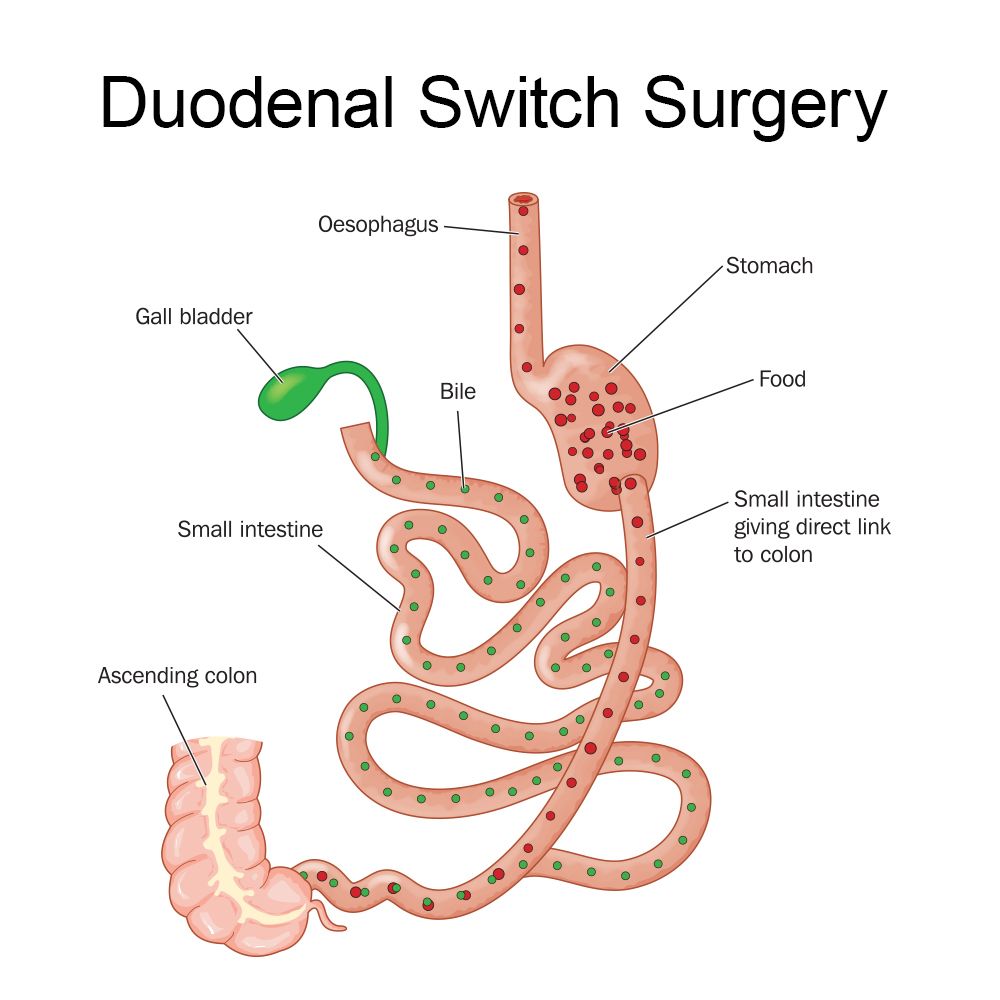
The Duodenal Switch is a bariatric surgery designed to provide comprehensive weight loss by reducing the stomach’s size and rerouting the intestines. This dual approach limits food intake and decreases calorie and nutrient absorption. It’s especially effective for individuals with a high Body Mass Index (BMI) and obesity-related conditions such as diabetes or hypertension.
Weight Loss Results: What to Expect
One of the most compelling aspects of the Duodenal Switch is its remarkable success rate in helping patients lose weight and keep it off.
Percentage of Excess Weight Loss (EWL): Patients typically lose 70-85% of their excess body weight within 18-24 months post-surgery. For example, if a person is 200 pounds over their ideal weight, they could lose between 140 and 170 pounds after the procedure.
Long-Term Sustainability: Studies, including the Longitudinal Assessment of Bariatric Surgery (LABS), show that over 85% of patients maintain their weight loss for at least five years, far exceeding the success rates of other procedures.
Comparative Results: The DS is considered more effective than alternatives like Gastric Bypass and Sleeve Gastrectomy, particularly for individuals with a BMI over 50.
When Reversal May Be Considered
While reversal of the malabsorptive component is rare, it may be considered in cases of severe complications:
Persistent Malnutrition: If patients experience chronic malnutrition despite adhering to dietary guidelines and supplementation, reversal may be necessary to restore nutrient absorption.
Severe Health Risks: Conditions like extreme vitamin deficiencies, recurrent infections, or life-threatening complications related to the surgery may prompt a surgeon to recommend reversal.
Psychological or Lifestyle Challenges: Some patients may find it challenging to maintain the lifestyle changes required post-surgery, potentially leading to complications that necessitate intervention.
How the Duodenal Switch Promotes Weight Loss
1
Restriction:
A portion of the stomach is removed, leaving a small tube-like structure. This limits the amount of food you can eat, promoting a feeling of fullness sooner.
2
Malabsorption:
A large part of the small intestine is bypassed, reducing calorie and nutrient absorption. This dual mechanism ensures faster and more sustained weight loss compared to procedures relying solely on restriction.
3
Hormonal Changes:
The reduction in the stomach size decreases ghrelin (the hunger hormone) production, helping to control appetite and cravings.
Benefits of Weight Loss with the Duodenal Switch
Type 2 Diabetes Remission: Up to 90% of patients experience significant improvements or complete remission of diabetes after surgery.
Improved Quality of Life: Reduced weight leads to better mobility, increased energy levels, and enhanced mental well-being.
Long-Term Health Gains: Sustained weight loss lowers the risk of cardiovascular diseases, sleep apnea, and joint pain.
Factors Affecting Weight Loss Success
While the Duodenal Switch has a high success rate, individual outcomes depend on several factors:
Starting BMI: Higher BMIs often see more dramatic initial weight loss. Check your BMI to see if you qualify.
Commitment to Lifestyle Changes: A balanced diet and regular physical activity are essential for maintaining weight loss.
Follow-Up Care: Regular monitoring and nutritional supplementation help avoid deficiencies and ensure long-term success.
Lifestyle After a Duodenal Switch
Dietary Adjustments: Post-surgery, patients begin with a liquid diet, gradually progressing to pureed, soft, and solid foods. A high-protein, low-fat diet is critical for maintaining muscle mass and energy.
Nutritional Supplements: Due to the malabsorptive nature of the procedure, lifelong supplementation of vitamins and minerals such as vitamin D, calcium, and vitamin B12 is necessary.
Regular Check-Ups: Continuous monitoring by healthcare providers ensures sustained weight loss and addresses potential complications.
Potential Risks and Considerations
While the Duodenal Switch offers significant benefits, it is a more complex surgery and comes with some risks:
Nutritional Deficiencies: Patients are at a higher risk for deficiencies in vitamins A, D, E, K, and calcium.
Surgical Complexity: The procedure requires a highly skilled surgeon, as it involves multiple steps and longer recovery times.
Is the Duodenal Switch Right for You?
The Duodenal Switch is a transformative option for individuals seeking substantial weight loss and long-term health benefits. With an average weight loss of 70-85% of excess body weight, it’s a game-changer for those with severe obesity. However, it requires a commitment to lifestyle changes, including a tailored diet, lifelong supplementation, and regular follow-up care.
If you’re ready to take control of your health and weight, schedule your FREE consultation today with Dr. Amit Taggar to determine if the Duodenal Switch is the right solution for you. With proper guidance and dedication, this procedure can help you achieve a healthier, happier future.
Dr. Amit Taggar is a board-certified, fellowship-trained bariatric surgeon and the founder of Tampa Weight Loss Institute. Recognized globally for his expertise in robotic weight loss surgery, Dr. Taggar specializes in Roux-en-Y gastric bypass, vertical sleeve gastrectomy, duodenal switch, and complex bariatric revisions. He has trained surgeons from around the world and performed live surgical demonstrations at major international conferences.
Committed to empowering patients on their weight loss journey, Dr. Taggar emphasizes a comprehensive approach to long-term success, integrating advanced surgical techniques with personalized aftercare. At Tampa Weight Loss Institute, he leads a team dedicated to transforming lives through compassionate, patient-centered care.