Vertical Sleeve Gastrectomy and Pregnancy: Everything You Need to Consider

If you’re considering Vertical Sleeve Gastrectomy (VSG) as a weight-loss solution and are also planning for pregnancy, you’re not alone. Many women who undergo bariatric surgery have questions about how it may impact their fertility and what effect it could have on pregnancy. At Tampa Weight Loss Institute, with Dr. Amit Taggar, we’re here to provide clear, evidence-based insights and support as you navigate this important journey. Here’s what you need to know about pregnancy after VSG, and how we can help you achieve your goals for both fertility and a healthy pregnancy.

What is Vertical Sleeve Gastrectomy?

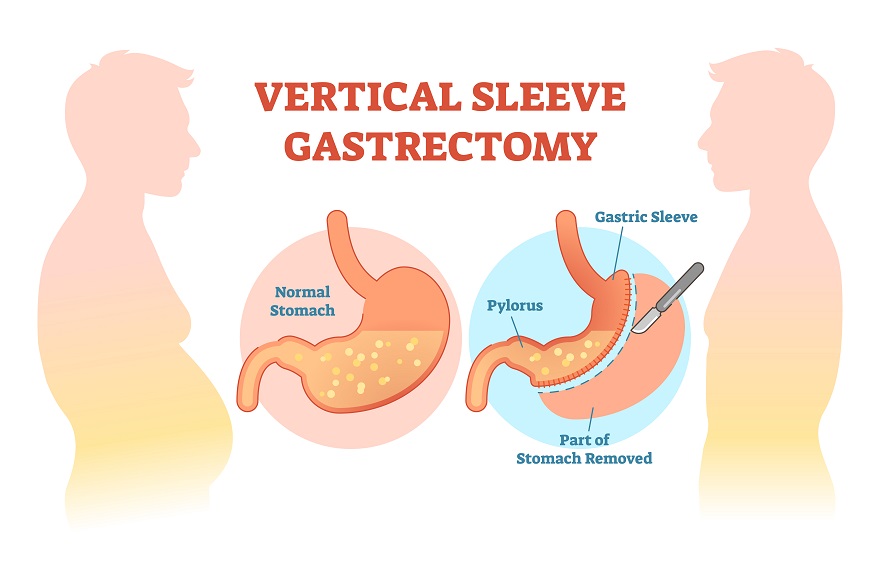
Vertical Sleeve Gastrectomy, or VSG involves removing about 80% of the stomach, leaving a sleeve-like structure. This drastically reduces the stomach’s capacity, making it easier to feel full with smaller portions. As a result, most patients experience significant and sustainable weight loss. It improves your overall health, including lowering the risk of type 2 diabetes, high blood pressure, and sleep apnea.

vertical sleeve gastrectomy illustration

Fertility and Bariatric Surgery: What You Should Know

Losing excess weight through bariatric surgery, like VSG, can have a significant positive impact on fertility. Obesity can cause hormonal imbalances, insulin resistance, and irregular menstrual cycles, all factors that can impair your ability to conceive. Fortunately, studies show that weight loss surgery can help correct these imbalances and improve fertility.

Many women who struggled to conceive because of obesity find that their cycles become more regular and their fertility improves as they lose weight. This can happen within months of surgery, sometimes sooner than expected, which is why planning ahead matters.

Pregnancy After Vertical Sleeve Gastrectomy: What You Need to Consider

While VSG can enhance fertility and help you achieve your pregnancy goals, there are a few important factors to keep in mind:

1
Nutrient Deficiencies and Supplementation
After VSG, your stomach can hold less food, which may affect your ability to absorb essential nutrients. For women who are planning a pregnancy, this is especially important, as deficiencies in iron, calcium, folate, and vitamin B12 can impact both your health and the development of your baby. For this reason, Dr. Taggar strongly advises all patients to start prenatal vitamins and supplements prior to conceiving.
Your bariatric team can check your vitamin and iron levels before you try to conceive and adjust your supplements if needed.

2
When is the Right Time to Try for a Baby?
Timing is everything. Experts recommend waiting at least 12 to 18 months after VSG before trying to conceive. This allows your body to stabilize after significant weight loss and ensures that your nutritional levels are better regulated. Getting pregnant too soon after surgery can increase the risk of complications like nutrient deficiencies and excess weight gain, which can complicate both pregnancy and the surgical outcome.
3
Monitoring Weight and Health During Pregnancy
Managing your weight during pregnancy is key to ensuring both your health and the development of your baby. After VSG, many patients experience reduced hunger and smaller appetites, which may make it harder to consume the necessary number of calories during pregnancy. It's important not to gain excessive weight, as this could pose risks for you and your baby.
4
Postpartum Care and Support
After childbirth, women who have had bariatric surgery may face challenges, such as breastfeeding difficulties and managing weight. The reduced calorie intake associated with VSG can sometimes impact milk production, but with the right diet and supplementation, most women can successfully breastfeed their babies. Dr. Taggar emphasizes the importance of maintaining a balanced diet and staying active postpartum to manage your weight and ensure long-term health.

Birth Control in the First Months After Vertical Sleeve Gastrectomy

Fertility can return quickly after vertical sleeve gastrectomy. Women who had irregular periods for years are sometimes surprised to ovulate again within months of surgery. Because experts advise waiting 12 to 18 months before trying to conceive, reliable birth control is an important part of your plan.

  • Start before surgery: Talk about birth control at your pre-surgery visits, not after.
  • Ask about the method: Some bariatric teams prefer long-acting options such as an IUD or an implant, especially if vomiting is a problem in the early months. Your doctor can help you choose what suits you.
  • Keep using it: Continue until your surgeon and your OB-GYN agree your weight and nutrition are stable enough for pregnancy.

Women with polycystic ovary syndrome often see the biggest change in their cycles. Our article on PCOS and bariatric surgery explains why.

Your Pregnancy Care Team After VSG

A healthy pregnancy after a sleeve works best when your doctors talk to each other. When you are ready to try, or as soon as you find out you are pregnant:

  • Tell your OB-GYN about your surgery. Share the date and type of operation so they can plan your prenatal care.
  • Stay in touch with your bariatric team. They can guide your eating plan and supplements as your needs change in each trimester.
  • Expect extra blood tests. Your doctors may check iron, vitamin B12, folate and vitamin D more often than usual.
  • Ask about the diabetes test. The sugary drink used to screen for gestational diabetes can cause dizziness, sweating or nausea after bariatric surgery. Ask your OB-GYN whether another way of checking your blood sugar is better for you.
  • Do not diet during pregnancy. Your OB-GYN will set a healthy weight gain goal for you. The aim is steady nutrition, not more weight loss.

Warning Signs During Pregnancy After Sleeve Surgery

Morning sickness is common in any pregnancy, but after VSG it can make it harder to get enough fluids and nutrients. Call your OB-GYN or bariatric team promptly if you have:

  • Vomiting that will not stop, or being unable to keep fluids down for a day
  • Severe or constant belly pain
  • Dizziness, fainting or a racing heartbeat
  • Extreme tiredness, pale skin or shortness of breath, which can be signs of low iron
  • Numbness or tingling in your hands or feet

For more on how your body changes after surgery, see our guide to side effects and problems after vertical sleeve gastrectomy.

Choosing a Procedure If You Want Children

If you have not had surgery yet, tell your surgeon if you hope to become pregnant in the future. It is one of the things that can shape which operation is the best fit.

The sleeve makes the stomach smaller but leaves the intestines in place. Procedures that bypass part of the intestine, such as Roux-en-Y gastric bypass and especially the duodenal switch, change how nutrients are absorbed more than the sleeve does. Healthy pregnancies happen after all of these procedures, but nutrient checks are even more important after the bypass-type operations. Our comparison of gastric bypass vs gastric sleeve covers the other differences.

Key Takeaways: What You Should Remember

Pregnancy after VSG can be a healthy and rewarding experience when properly planned. Here are the key points to keep in mind:

  • Improved fertility: Weight loss surgery can improve hormonal balance and fertility, making it easier to conceive.
  • Nutrient deficiencies: You’ll need to take prenatal vitamins and supplements to avoid deficiencies that could impact both you and your baby.
  • Timing is critical: Wait at least 12-18 months after surgery before trying to conceive to ensure your body is ready.
  • Nutritional care: Work closely with Dr. Taggar to maintain proper nutrition and manage weight during pregnancy and postpartum.

While this article is focused on pregnancy after VSG, it’s also helpful to be aware of the common changes and adjustments your body may experience after surgery. Most patients do incredibly well, especially with the right support and follow-up care. If you’d like to better understand what to expect in the months and years after surgery—from nutritional needs to possible digestive changes—visit our guide on vertical sleeve gastrectomy complications and conditions after treatment. It’s all about helping you stay informed and empowered on your journey.

Pregnancy After Vertical Sleeve Gastrectomy FAQs

How long should I wait to get pregnant after a sleeve gastrectomy?

Experts generally advise waiting 12 to 18 months. By then the fastest weight loss is usually over and your nutrition is easier to keep steady. Your surgeon and OB-GYN can tell you when you are ready.

What if I get pregnant sooner than planned?

Contact your OB-GYN and your bariatric team as soon as you know. Many women who conceive early still have healthy pregnancies, but you will need closer checks on your nutrition, vitamins and weight gain.

Will pregnancy stretch my sleeve or undo my weight loss?

Pregnancy does not stretch the sleeve. You will gain weight during pregnancy, as you should. Breastfeeding, healthy eating and activity after the birth help most women return toward their pre-pregnancy weight.

Can I breastfeed after vertical sleeve gastrectomy?

Yes, most women can. You need enough protein, fluids and calories to make milk, and you should keep taking your supplements. Tell your baby’s doctor that you have had bariatric surgery.

Does having a sleeve change how I give birth?

Usually not. Most women who have had a sleeve can plan a vaginal birth if their pregnancy allows it. Your OB-GYN decides on the delivery method based on you and your baby, not on the sleeve alone.

Want to learn more?

Dr. Amit Taggar and the Tampa Weight Loss Institute team specialize in personalized care, ensuring that your weight loss journey is optimized for better reproductive health. If you’re struggling with infertility due to excessive weight, bariatric surgery may improve your chances of conceiving.

Our team is here to guide you through every step of your weight loss journey, ensuring that you’re fully supported as you prepare for motherhood.

Call us today for more information or to book your consultation. Let’s work together on a plan that supports a healthy pregnancy.

-Disclaimer-

The information provided on this website is for educational and informational purposes only and is not intended as medical advice. Always consult with a qualified healthcare provider regarding any medical concerns, conditions, or treatment options. Individual results may vary. The services described are not intended to diagnose, treat, cure, or prevent any disease. Any medical procedure should be discussed thoroughly with a licensed professional before beginning treatment.

Author

  • Dr. Amit Taggar Headshot

    Dr. Amit Taggar is a board-certified, fellowship-trained bariatric surgeon and the founder of Tampa Weight Loss Institute. Recognized globally for his expertise in robotic weight loss surgery, Dr. Taggar specializes in Roux-en-Y gastric bypass, vertical sleeve gastrectomy, duodenal switch, and complex bariatric revisions. He has trained surgeons from around the world and performed live surgical demonstrations at major international conferences.

    Committed to empowering patients on their weight loss journey, Dr. Taggar emphasizes a comprehensive approach to long-term success, integrating advanced surgical techniques with personalized aftercare. At Tampa Weight Loss Institute, he leads a team dedicated to transforming lives through compassionate, patient-centered care.