Understanding the Difference Between Double and Single Anastomosis Duodenal Switch

Considering bariatric surgery but unsure which option is right for you?

When it comes to weight-loss surgery, choosing the right procedure is crucial for achieving desired result and improving overall health. At the Tampa Weight Loss Institute, patients have access to cutting-edge surgical solutions tailored to their needs. Among these options, the double and single anastomosis duodenal switch procedures stand out as highly effective but distinct techniques. Understanding their key differences can help you make an informed decision.

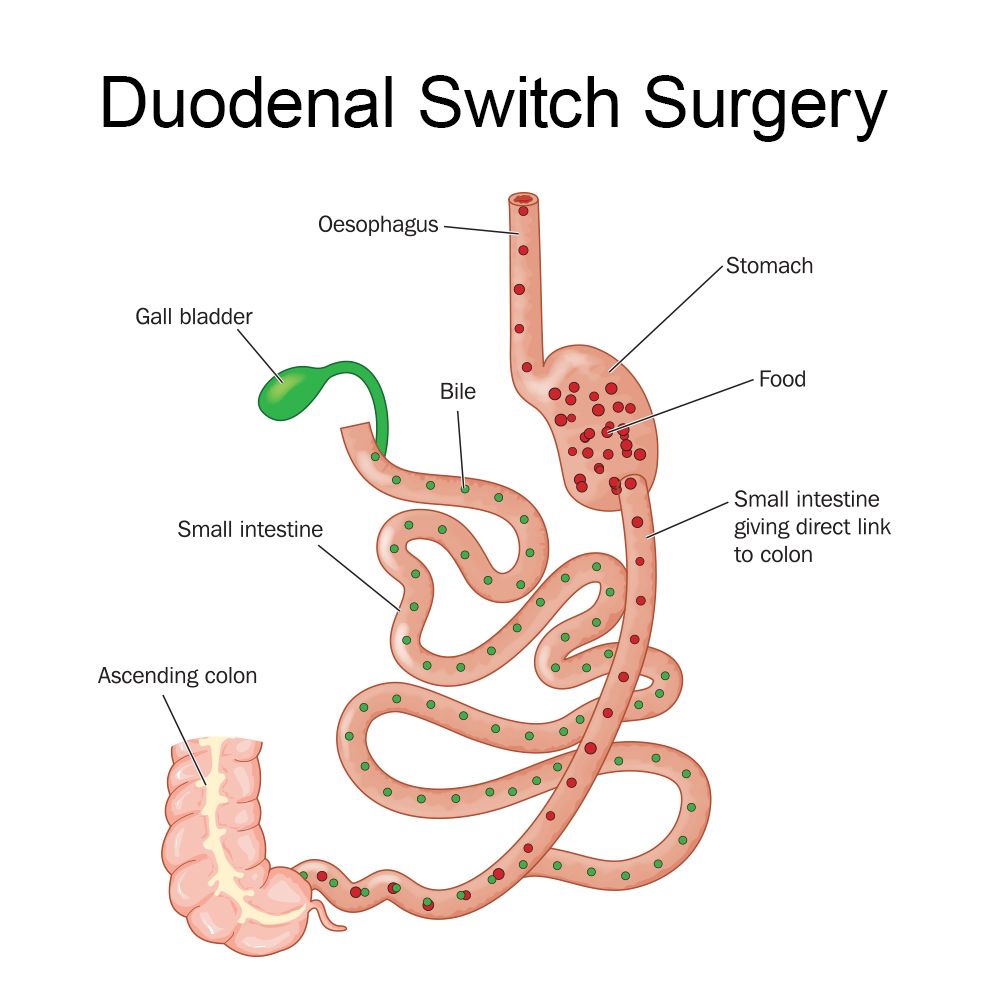
duodenal switch illustration

What Is the Duodenal Switch?

The duodenal switch (DS) is a powerful bariatric surgery that combines two approaches:

  1. Restriction: By reducing the size of the stomach, patients eat smaller portions and feel fuller faster.
  2. Malabsorption: By rerouting a portion of the small intestine, the body absorbs fewer calories and nutrients, leading to significant weight loss.

This dual mechanism makes the DS an effective solution for severe obesity, especially for patients with high Body Mass Indexes (BMIs) or obesity-related health conditions such as Type 2 Diabetes and sleep apnea.

Within the realm of the duodenal switch, there are two primary variations: the double anastomosis (traditional DS) and the single anastomosis (also called SADI-S or Single Anastomosis Duodeno-Ileal Bypass with Sleeve Gastrectomy). While both share similarities, they differ in technique, complexity, and potential outcomes.

Double Anastomosis Duodenal Switch

The double anastomosis procedure, involves two surgical connections (anastomoses):

  1. Gastrointestinal Connection: The stomach is connected to the small intestine at a new junction, bypassing part of the intestine.
  2. Biliary-Pancreatic Connection: A second connection reroutes digestive enzymes to meet ingested food further down the intestinal tract.

This technique results in greater malabsorption, leading to dramatic weight loss and significant improvement or resolution of conditions like diabetes. 

However, because of its complexity, the procedure typically requires a longer operative time and carries a slightly higher risk of complications, such as nutrient deficiencies or intestinal blockages.

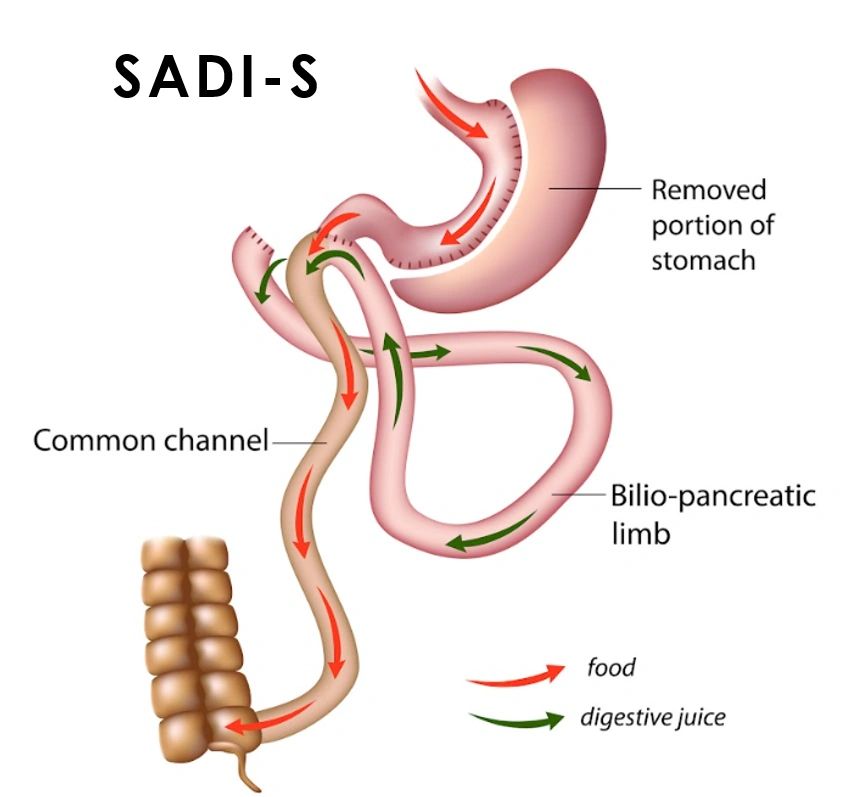
Single Anastomosis Duodenal Switch (SADI-S)

The single anastomosis version simplifies the procedure by creating just one connection:

  • The stomach is connected to the small intestine at a single point, bypassing a large portion of the intestine. This eliminates the second connection required in the traditional DS.

Advantages of SADI-S:

  1. Reduced Surgical Complexity: With only one anastomosis, the procedure is technically simpler and may have a shorter operative time.
  2. Lower Risk of Complications: Studies suggest that SADI-S may result in fewer complications, such as bowel obstructions or severe malabsorption (Zaveri et al., 2018).
  3. Effective Weight Loss: While the malabsorption is less pronounced than in the double anastomosis DS, patients still achieve substantial weight loss and health improvements.

However, it is essential to note that the reduced malabsorption in SADI-S might not be as effective for patients with extremely high BMIs or severe metabolic disorders.

single anastomosis duodenal switch illustration

How to Choose the Right Procedure

Selecting between double and single anastomosis duodenal switch depends on individual factors such as:

  • Body Mass Index (BMI): Higher BMIs may benefit more from the traditional DS.
  • Health Conditions: Patients with severe diabetes or other obesity-related conditions might need the enhanced malabsorption of the double anastomosis DS.
  • Nutritional Considerations: If you’re concerned about long-term nutrient deficiencies, SADI-S may be a better option.
  • Lifestyle and Commitment: Both procedures require strict adherence to dietary guidelines and supplementation to prevent deficiencies.

Research-Based Care and Results

Studies consistently demonstrate the efficacy of duodenal switch procedures in achieving significant weight loss and improving comorbidities. For example:

  • A 2020 study in Obesity Surgery found that the traditional DS achieved greater long-term weight loss compared to SADI-S, but SADI-S had a lower risk of complications (Kermansaravi et al., 2020).
  • Patients undergoing either procedure reported improved quality of life, better mobility, and enhanced overall health.

Dr. Taggar’s expertise ensures that you’ll receive evidence-based care with a focus on safety and optimal outcomes.

Why Choose Tampa Weight Loss Institute?

At the Tampa Weight Loss Institute, Dr. Amit Taggar and his team take a patient-centered approach to bariatric care. With extensive experience in advanced minimally invasive techniques, including both double and single anastomosis duodenal switch surgeries, Dr. Taggar ensures each patient receives personalized care tailored to their unique goals and health needs.

Say yes to a healthier future; book your consult today!

Undergoing bariatric surgery is a life-altering decision, and the Tampa Weight Loss Institute is here to guide you every step of the way. If you’re ready to explore whether the double or single anastomosis duodenal switch is right for you, schedule a consultation with Dr. Amit Taggar. 

Our team will help you understand your options, answer all your questions, and provide compassionate support on your weight loss journey.

Author

  • Dr. Amit Taggar Headshot

    Dr. Amit Taggar is a board-certified, fellowship-trained bariatric surgeon and the founder of Tampa Weight Loss Institute. Recognized globally for his expertise in robotic weight loss surgery, Dr. Taggar specializes in Roux-en-Y gastric bypass, vertical sleeve gastrectomy, duodenal switch, and complex bariatric revisions. He has trained surgeons from around the world and performed live surgical demonstrations at major international conferences.

    Committed to empowering patients on their weight loss journey, Dr. Taggar emphasizes a comprehensive approach to long-term success, integrating advanced surgical techniques with personalized aftercare. At Tampa Weight Loss Institute, he leads a team dedicated to transforming lives through compassionate, patient-centered care.